CPVC vs GI Pipe: Corrosion, Life and Why Old Houses Are Switching
Plumbing Guides
CPVC vs GI Pipe: Corrosion, Life and Why Old Houses Are Switching
3 min read
Quick answer: For water lines inside a house, CPVC has replaced GI because it does not rust or scale, is joined with solvent cement instead of threading, and is rated for hot water up to 93°C. GI (galvanised iron) is still the right pipe in a few places: the first section at a water heater, exposed runs that can be knocked, and fire lines. A 5 metre length of 3/4 inch Ashirvad CPVC SDR 11 is ₹435 with us (list ₹870), before GST, on 15 November 2026.
If your house is more than twenty years old, its water lines may well be GI. The two complaints we hear from those houses are always the same: the pressure has dropped, and the first water in the morning is brown.
What goes wrong with GI
GI is steel pipe with a zinc coating. The zinc protects the steel until it is used up; after that the steel rusts from the inside, where you cannot see it. Rust and scale build up on the pipe wall, the bore gets smaller, and the flow falls. Hard water speeds this up. The threaded joints, where the coating was cut away, usually go first.
Side by side
| GI | CPVC | |
|---|---|---|
| Corrosion | Rusts once the zinc is gone | Does not rust or scale |
| Joints | Threaded, with sealing tape or compound | Solvent cement, fused |
| Hot water | Yes | Yes, to 93°C |
| Weight and handling | Heavy; needs a threading die | Light; cut with a hand cutter |
| Knocks and impact | Very strong | Must be clipped and protected |
| Heat loss on a hot line | Loses heat quickly unless lagged | Loses less; plastic conducts heat poorly |
| Standard | IS 1239 | IS 15778 |
Where GI or metal is still the right pipe
- At the heater. The Ashirvad CPVC manual says not to connect CPVC directly to a water heater outlet; a metal section goes first. See which pipe for a geyser and solar heater lines.
- Exposed runs at risk of impact, such as a line across a driveway wall or in a workshop.
- Fire hydrant and sprinkler mains, which follow their own rules.
From our shop
Products in this guide
Live dealer prices. Add to cart, or ask for a GST quote on the whole list.
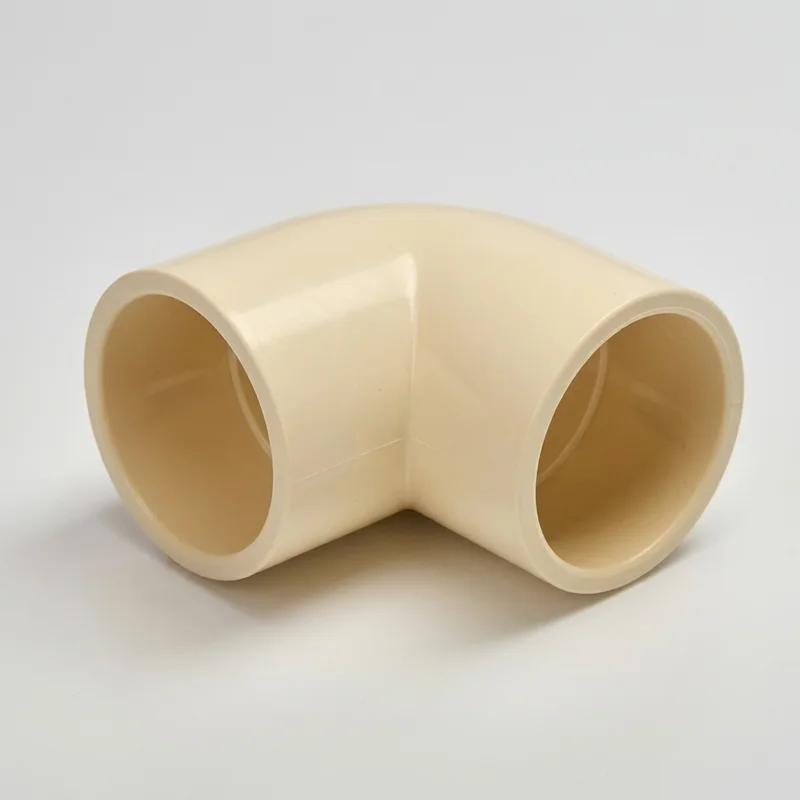
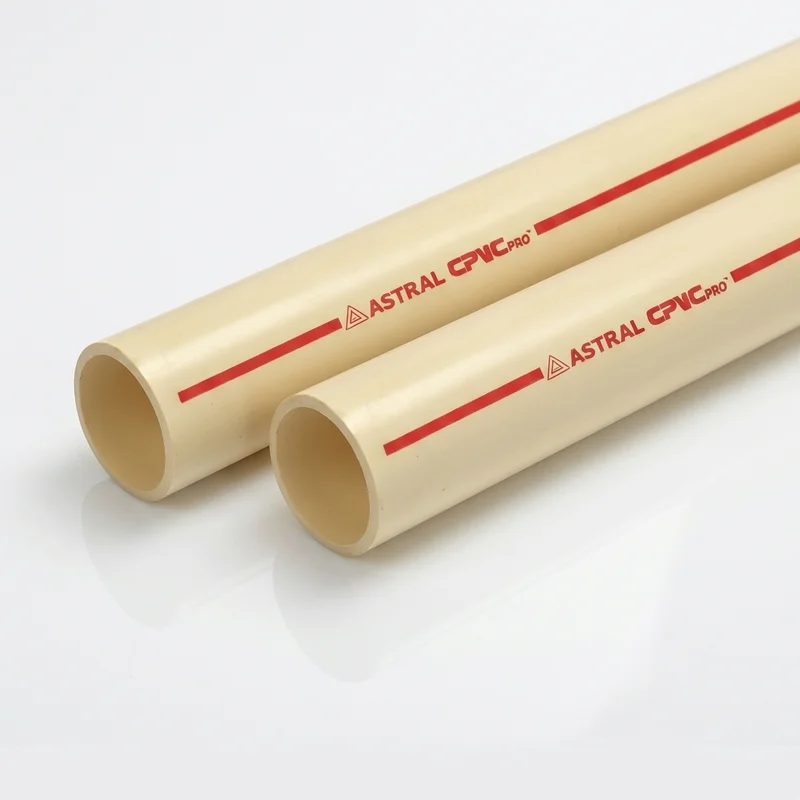
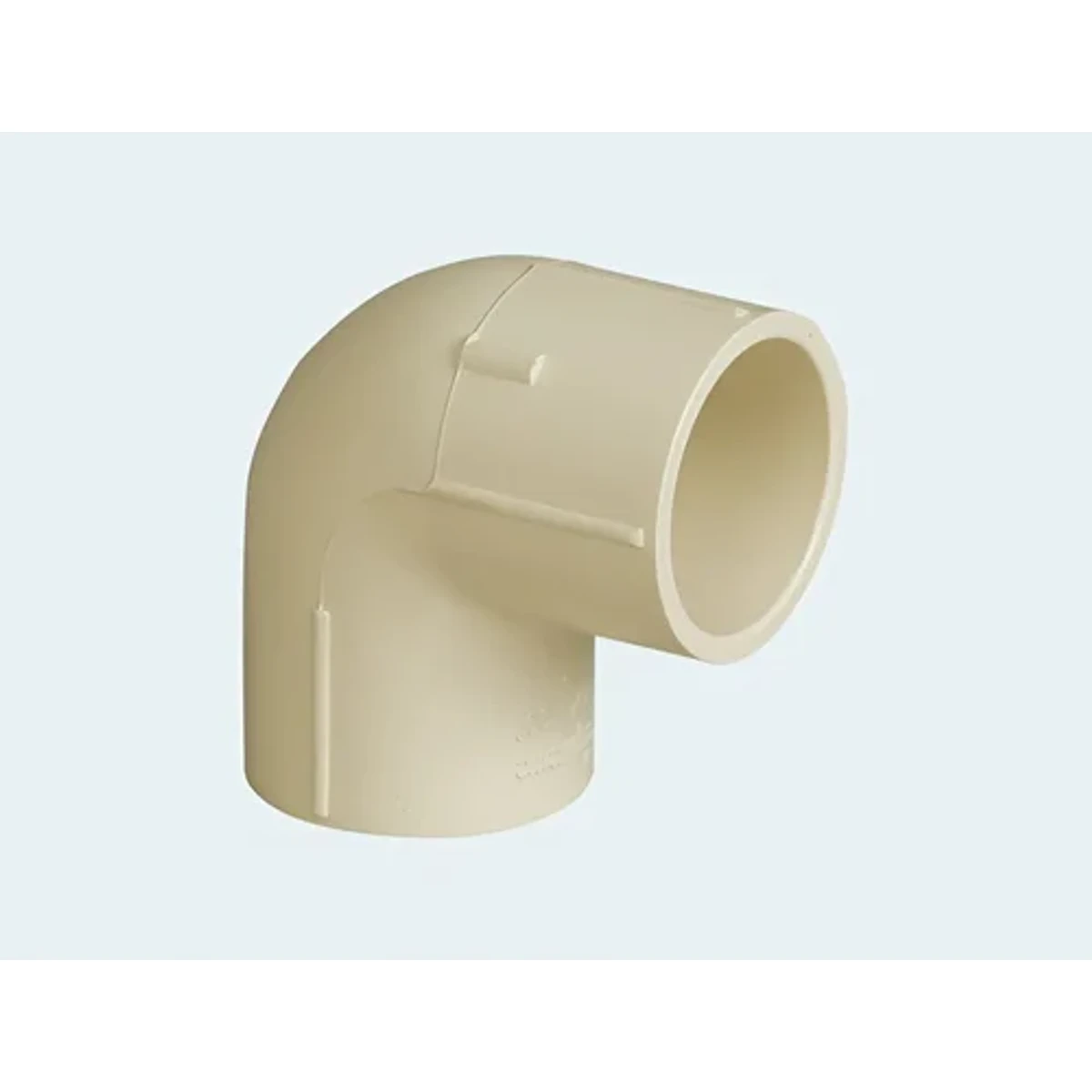

Re-piping an old house
The old GI lines are almost never dug out. They are shut off and left in the wall, and a new CPVC line is run, either chased into the wall where the bathroom is being redone or on the surface, clipped and painted, where it is not. The new line joins the existing taps and fixtures through brass threaded adaptors, because the taps have metal threads.
| Part | Our price | List price |
|---|---|---|
| CPVC SDR 11 pipe, 1/2 inch, 5 m | ₹325 | ₹650 |
| CPVC SDR 11 pipe, 3/4 inch, 5 m | ₹435 | ₹870 |
| CPVC SDR 11 pipe, 1 inch, 5 m | ₹673 | ₹1,346 |
| CPVC elbow 90°, 1/2 inch | ₹15 | ₹29 |
| Brass threaded male adaptor, 1/2 inch | ₹150 | ₹300 |
| Brass threaded female adaptor, 3/4 inch | ₹186 | ₹371 |
We do not stock GI pipe. It is sold by weight and its price moves with steel, so ask a steel or hardware dealer for the day's rate if you need a length for the heater connection.
Questions we get asked
Can CPVC be joined to an existing GI line?
Yes, with a brass threaded CPVC adaptor screwed onto the GI thread. Do not use a plastic threaded adaptor on a metal thread that carries hot water.
Is CPVC strong enough to replace iron?
For pressure, yes: SDR 11 is rated at 28.1 kg per sq cm at 23°C, far above house pressure. It is not as tough against knocks, which is why it is clipped, chased or boxed in.
Should the whole house be re-piped at once?
If the walls are being opened for a renovation, that is the time. Otherwise it is commonly done bathroom by bathroom, starting with the one that has the worst pressure.
Sources
- Ashirvad FlowGuard Plus CPVC technical manual (pipes to IS 15778): ratings, heater connection.
- Astral CPVC PRO catalogue: service temperature and pressure table.