Wrong Pipe, Real Cost: 7 Plumbing Mistakes and What Each One Saves and Risks
Plumbing Guides
Wrong Pipe, Real Cost: 7 Plumbing Mistakes and What Each One Saves and Risks
5 min read
Quick answer: Almost every costly plumbing failure in a house starts as a small saving on material. Using uPVC instead of CPVC on a hot line saves ₹26.50 a metre in 3/4 inch. The wrong solvent cement saves ₹56 a tin. The thinner pipe class saves ₹26 a length. Each of those lines ends up inside a tiled wall, and putting it right means opening that wall. Prices below are ours at Viveknagar on 15 November 2026, before GST, with the list price beside them.
We sell pipe, not labour, so we are not going to put a rupee figure on a repair. What we can do is show exactly how little each shortcut saves. Before you agree to one, ask your plumber what it costs to open, re-pipe and re-tile one bathroom wall, and put that number next to these.
1. uPVC on a hot water line
uPVC and CPVC look alike and uPVC is cheaper, so it gets used on the geyser line. uPVC is a cold water pipe: Astral rates its uPVC to 45°C, and a geyser is normally set between 55°C and 65°C. The pipe does not burst. It softens, sags between clips and the joints creep, often more than a year later.
| 3/4 inch pipe | Our price | List price | Per metre |
|---|---|---|---|
| Ashirvad uPVC SCH 40, 6 m | ₹363 | ₹698 | ₹60.50 |
| Ashirvad CPVC SDR 11, 5 m | ₹435 | ₹870 | ₹87.00 |
What the shortcut saves: ₹26.50 a metre. On a 10 metre hot line to one bathroom, ₹265. More in which pipe for a geyser.
2. The wrong solvent cement
CPVC cement and uPVC cement are different solvents for different plastics. A CPVC joint made with blue uPVC cement holds when tested cold and lets go when the hot line runs. The yellow tin is CPVC; blue, clear and grey are uPVC.
What the shortcut saves: ₹56 on a 118 ml tin, CPVC yellow at ₹158 (list ₹288) against uPVC blue at ₹102 (list ₹185). Usually nothing at all: the plumber simply had the wrong tin in his bag. See which cement for which pipe.
3. The thinner class on the hot side
CPVC comes as SDR 11 (Class 1, thicker) and SDR 13.5 (Class 2, thinner). At 82°C the thicker pipe is rated for 7.0 kg per sq cm and the thinner for 5.6. Both are sold for hot water, but the hot line is where the pipe has the least margin, and it is where we use SDR 11.
What the shortcut saves: ₹26 on a 5 metre length of 3/4 inch (₹435 against ₹409 for SDR 13.5), about ₹5 a metre. The full comparison is in SDR 11 vs SDR 13.5.
From our shop
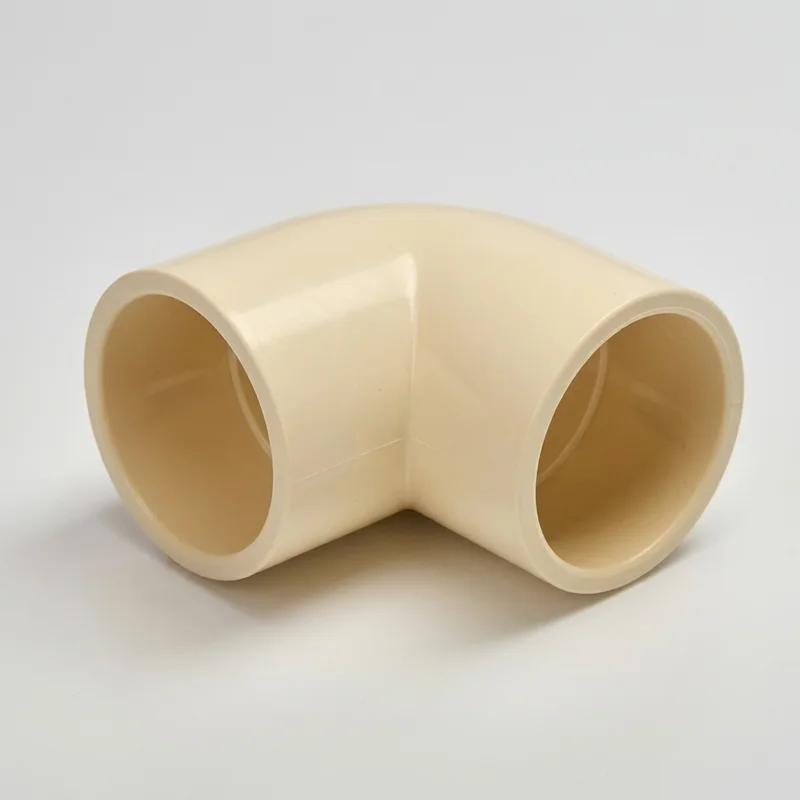
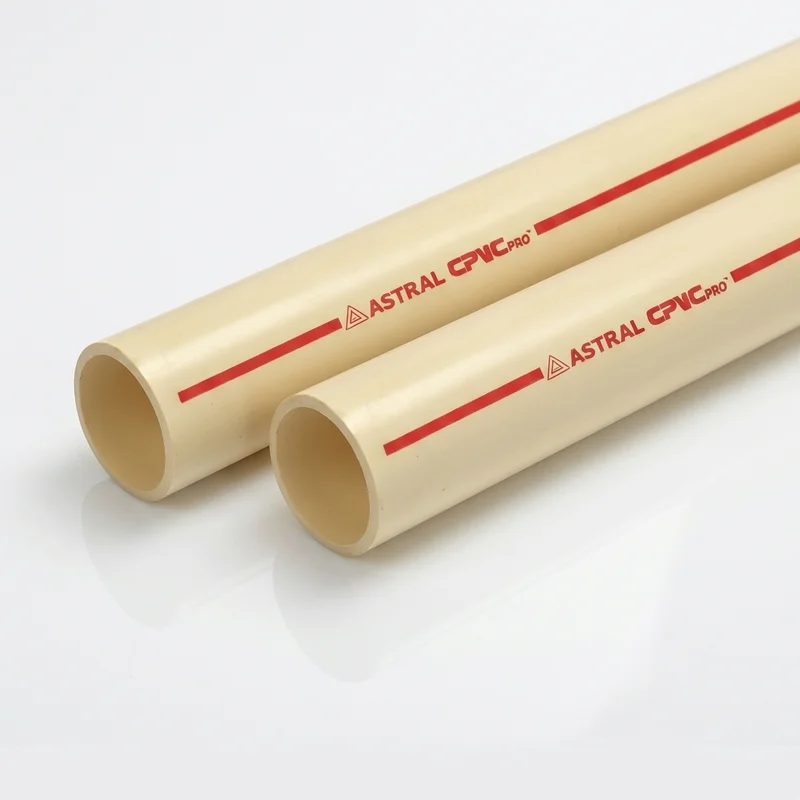
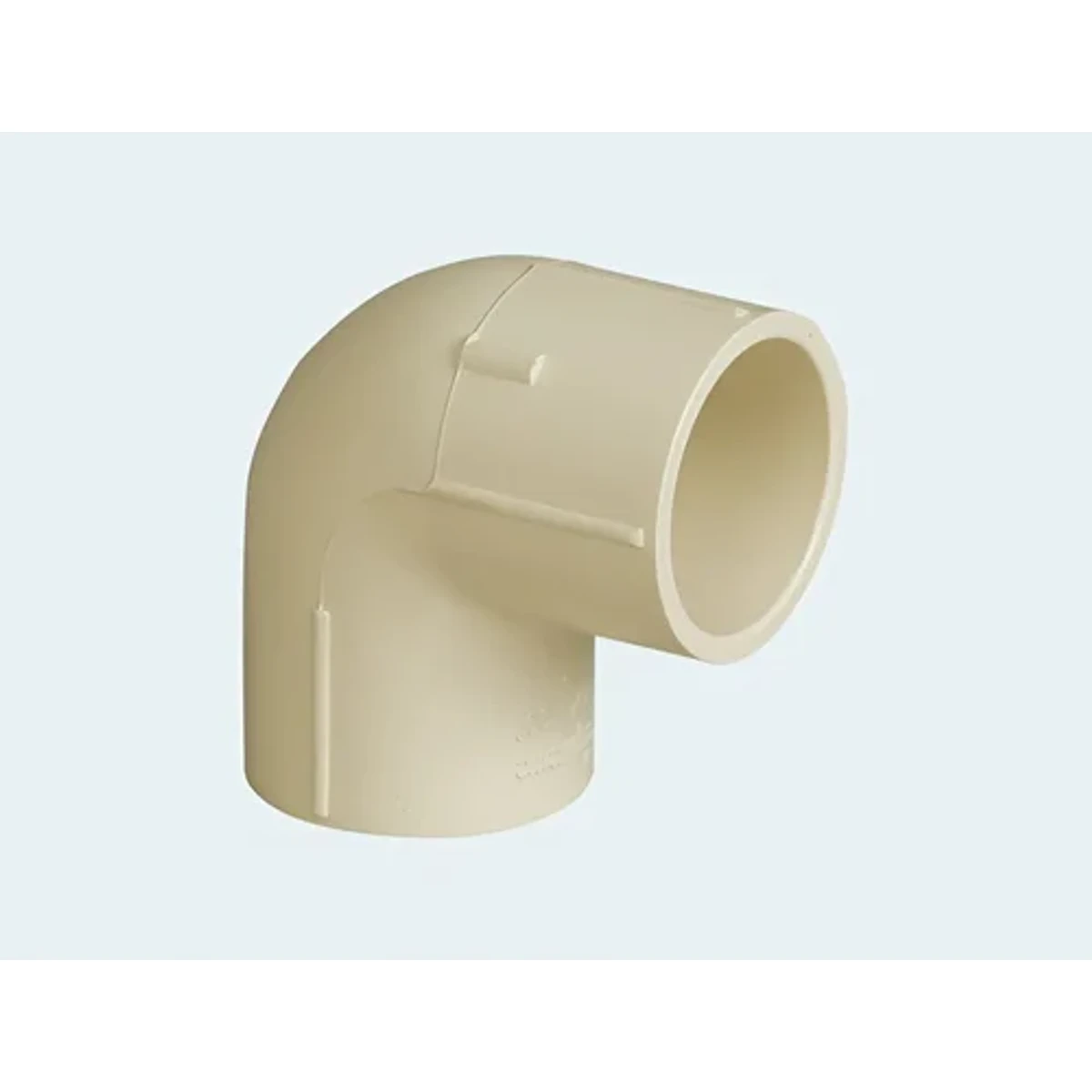
Products in this guide
Live dealer prices. Add to cart, or ask for a GST quote on the whole list.

4. Half inch pipe everywhere
Running 1/2 inch from the tank to save on pipe starves the bathrooms: open a second tap and the shower drops. The usual house layout is 3/4 inch from the tank and along the main, and 1/2 inch only for the last run to each fixture.
What the shortcut saves: ₹110 a length (1/2 inch at ₹325 against 3/4 inch at ₹435). Sizes are worked through in which size pipe for house plumbing.
5. Type A SWR pipe on the soil stack
SWR drainage pipe to IS 13592 comes in two wall thicknesses. Type A is for ventilation and rain water. Type B is for soil and waste: the toilet stack, kitchen waste and anything buried.
What the shortcut saves: ₹327 on a 3 metre length of 4 inch pipe, the lighter pipe at ₹589 (list ₹1,178) against Type B at ₹916 (list ₹1,831). A stack is cast into the building; it is the one pipe you cannot reach again. Prices for both are in the Ashirvad SWR price list.
6. Tiling before the pressure test
A joint that weeps shows itself in a few hours under test pressure and takes minutes to remake while the wall is open. The same joint found after tiling is a wet patch on the other side of the wall. The test costs a day and a hired pump.
What the shortcut saves: one day. The method is in pressure testing CPVC before tiling.
7. Loose pipe with no bill, or brands mixed in one line
Copied pipe carrying well-known names is a real trade, and it is sold loose and unbilled. Separately, Ashirvad's CPVC warranty applies only when its pipe, fittings and cement are used together. Either way there is nothing to claim on if a joint fails.
What the shortcut saves: a few rupees a length. How to check a pipe is in how to check a CPVC pipe is genuine.
The whole list, side by side
| Shortcut | Saves | What is at risk |
|---|---|---|
| uPVC on hot water | ₹26.50 a metre | The hot line inside the bathroom wall |
| Wrong cement | ₹56 a tin | Every joint made from that tin |
| SDR 13.5 on the hot side | About ₹5 a metre | Margin on the hottest line |
| 1/2 inch main | ₹110 a length | Pressure at every tap, permanently |
| Type A soil stack | ₹327 a length | The one pipe cast into the building |
| No pressure test | One day | Finding leaks after the tiles are on |
| Unbilled or mixed pipe | A few rupees a length | The warranty |
Questions we get asked
How much extra does it cost to do a bathroom properly?
On material, very little. For one bathroom the difference between the right and wrong choices above is a few hundred rupees. Send us the plumber's list and we will price it line by line on the quote page.
My plumber says uPVC is fine for hot water. Is he right?
No. The makers rate uPVC for cold water only. It will pass a cold test, which is why the mistake keeps being made.
Can you tell me what a repair costs?
We do not quote labour or tiling. Ask your plumber for the cost of opening and re-tiling one wall; it is the fairest way to judge any of these savings.
Sources
- Astral Aquarius uPVC catalogue: maximum service temperature for uPVC.
- Astral CPVC PRO catalogue and Ashirvad CPVC technical manual: CPVC temperature and pressure ratings, warranty conditions.
- Ashirvad SWR brochure: Type A and Type B to IS 13592.