CPVC vs PPR Pipe: Which for a Bangalore Home
Plumbing Guides
CPVC vs PPR Pipe: Which for a Bangalore Home
3 min read
Quick answer: CPVC and PPR are both made for hot and cold water. CPVC is joined cold with solvent cement and needs only a cutter; PPR is joined by heat fusion and needs a fusion machine and a plumber trained to use it. In Bengaluru, CPVC is what most plumbers lay and what most counters stock, so fittings and repairs are easier. PPR makes sense where the installer is equipped for it and the whole system is done in one go.
A disclosure first: we sell CPVC and do not stock PPR, so weigh what follows with that in mind. We have kept to differences that either manufacturer would agree on.
What each one is
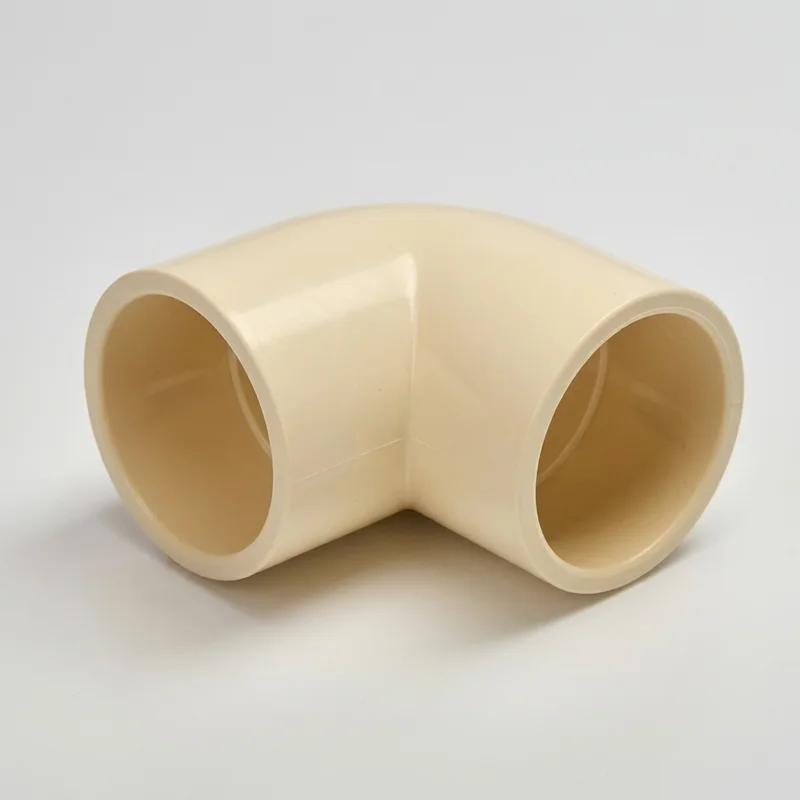
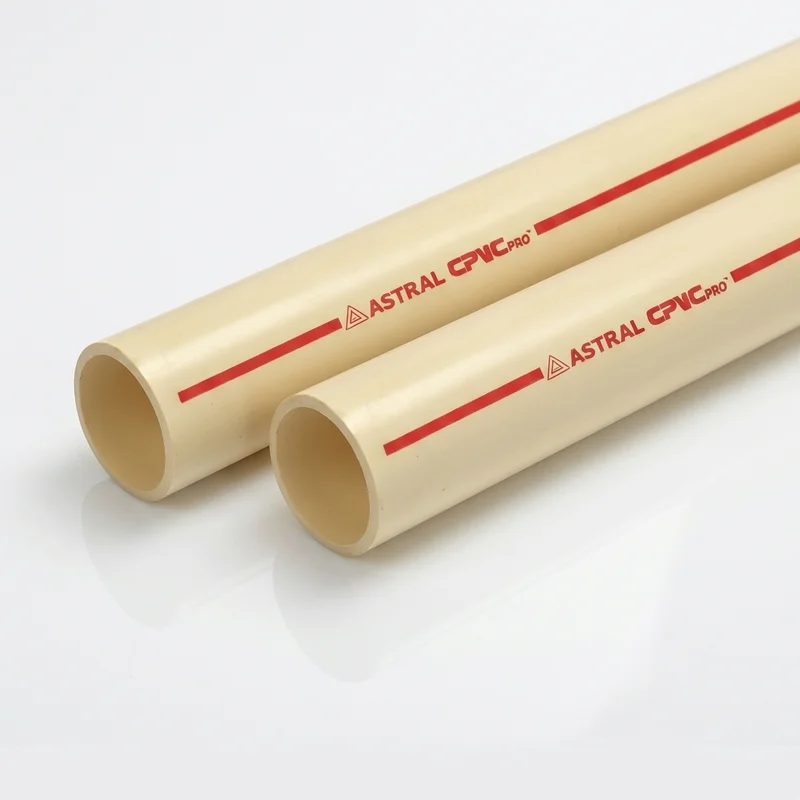
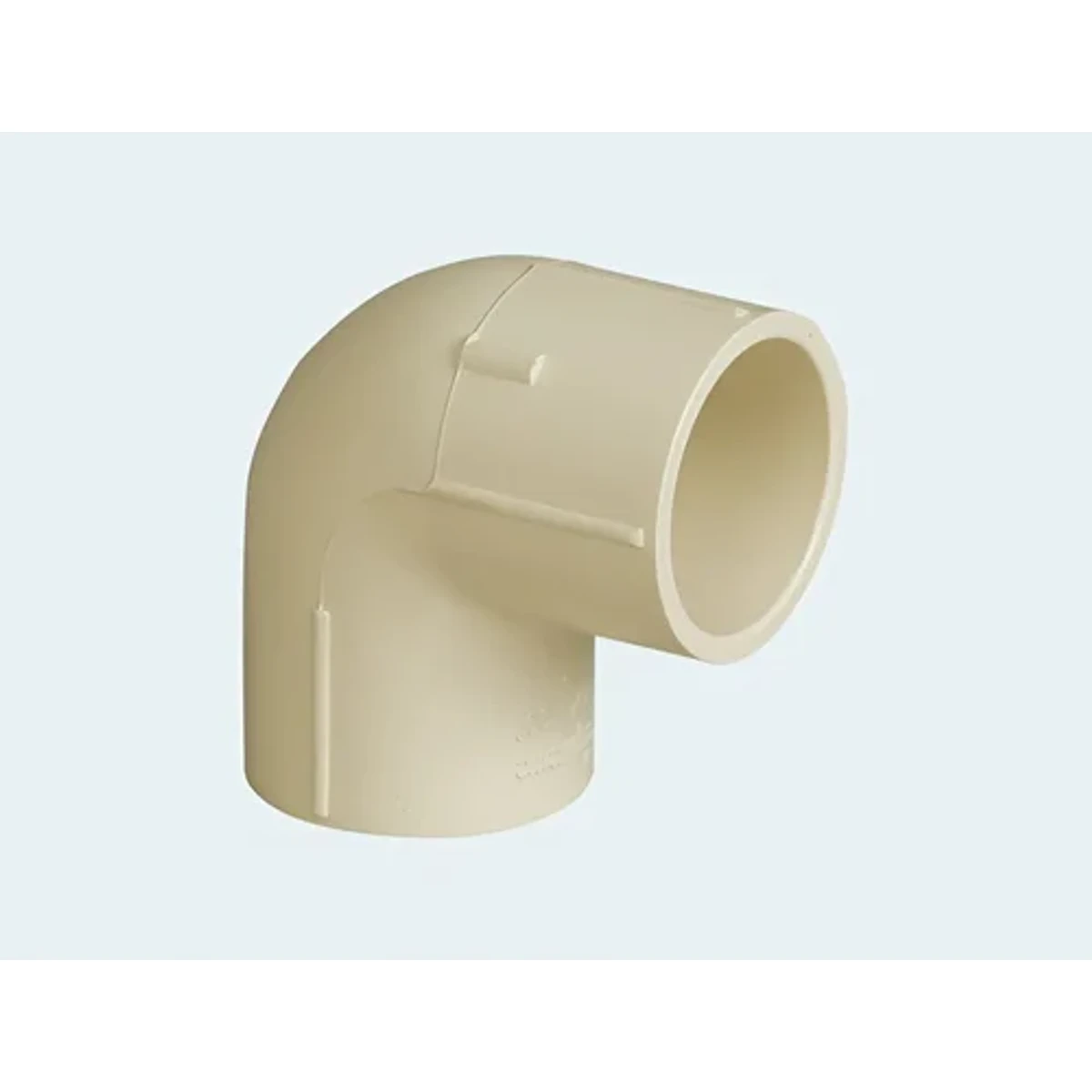
CPVC is chlorinated PVC, made in India to IS 15778. It is the tan or cream pipe joined with yellow cement. PPR is polypropylene random copolymer, made to IS 15801, usually green or white. It is joined by heating the pipe end and the fitting socket together on a fusion tool and pushing them into each other, so the two melt into one piece.
Side by side
| CPVC | PPR | |
|---|---|---|
| Joint | Solvent cement, made cold | Heat fusion, with a machine |
| Tools on site | Cutter and cement | Cutter, fusion machine, power point |
| Skill needed | Known to almost every plumber here | Needs someone trained in fusion timings |
| Wall thickness | Thinner, so a larger bore for the same outside size | Thicker, so a smaller bore for the same outside size |
| Movement with heat | Expands | Expands roughly twice as much; long hot runs need loops or supports |
| Repair inside a wall | Cut out, cement in a coupler | Needs the fusion tool in a tight space |
| Fittings over the counter in Bengaluru | Everywhere | Fewer stockists |
The joint is the real difference
A well-made fusion joint is a single piece of plastic, and that is PPR's strength. It is also its risk: too little heating time gives a weak joint, too much squeezes molten plastic into the bore and narrows it, and neither shows from outside. A CPVC joint has its own ways to fail, mostly too little cement or filling the line before it has cured, but the method is familiar to nearly every plumber in the city. The honest advice is to choose the system your plumber does every week.
From our shop
Products in this guide
Live dealer prices. Add to cart, or ask for a GST quote on the whole list.

What CPVC costs
Our prices on 15 November 2026, before GST. We cannot give you a PPR price because we do not sell it; compare like for like by asking for the price per metre of the same bore, not the same outside diameter.
| Ashirvad CPVC SDR 11, 5 m | Our price | List price | Per metre |
|---|---|---|---|
| 1/2 inch | ₹325 | ₹650 | ₹65.00 |
| 3/4 inch | ₹435 | ₹870 | ₹87.00 |
| 1 inch | ₹673 | ₹1,346 | ₹134.60 |
Which to choose
- A house or flat, plumber of your choice: CPVC. Parts are available in every area and any plumber can extend or repair it later.
- A project where the contractor is set up for fusion and will do the complete system: PPR is a sound choice.
- Adding to an existing system: stay with what is already in the wall. The two cannot be cemented or fused to each other; they join only through threaded adaptors.
Questions we get asked
Can CPVC and PPR be joined?
Not directly. Use a brass threaded adaptor on each side and screw them together.
Which lasts longer?
Both are sold as long-life systems. In practice the life of either is decided by how the joints were made and whether the line was pressure tested before tiling, not by the plastic. See pressure testing before tiling.
Is CPVC safe for drinking water?
CPVC pipe to IS 15778 is made for potable hot and cold water. Buy pipe with the standard printed on it; see how to check a CPVC pipe is genuine.
Sources
- Ashirvad FlowGuard Plus CPVC technical manual, pipes to IS 15778.
- Astral CPVC PRO catalogue.
- IS 15801, the Indian Standard for PP-R pipes for hot and cold water supplies.