Wall Hung vs Floor Mounted WC: Which Should You Choose?

Quick answer: Choose wall hung if you are already doing civil work, the bathroom is small and you want the easiest cleaning, but plan for a concealed frame that needs about 200mm of wall depth. Choose floor mounted if you are replacing an existing WC without touching the walls, or would rather spend on a better flush and a rimless bowl. Either way, the pan must match your outlet: S-trap for a floor outlet, P-trap for a wall outlet.
It is the first decision people get stuck on when they redo a bathroom: should the commode sit on the floor, or hang off the wall? Showrooms push the wall hung look because it photographs well. Plumbers often push floor mounted because it is simpler to fit. Both are right, depending on the bathroom.
Here is the honest comparison, including the costs that only show up after you have committed.
What actually separates them
A floor mounted WC rests on the floor and carries its own weight. The cistern either sits on the pan (a coupled WC) or the whole thing is moulded as one piece. The waste goes out through the floor or the wall behind, depending on the trap.
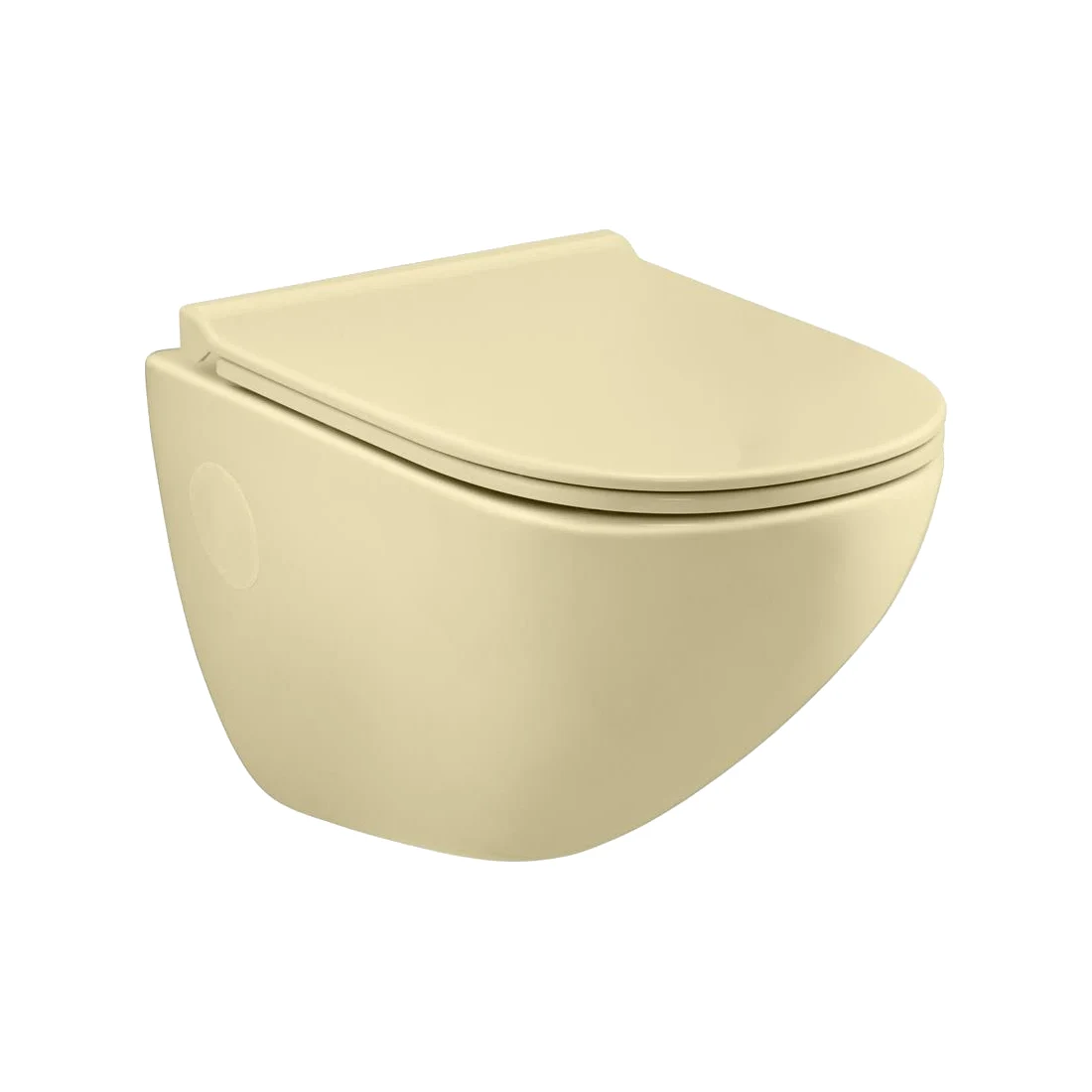
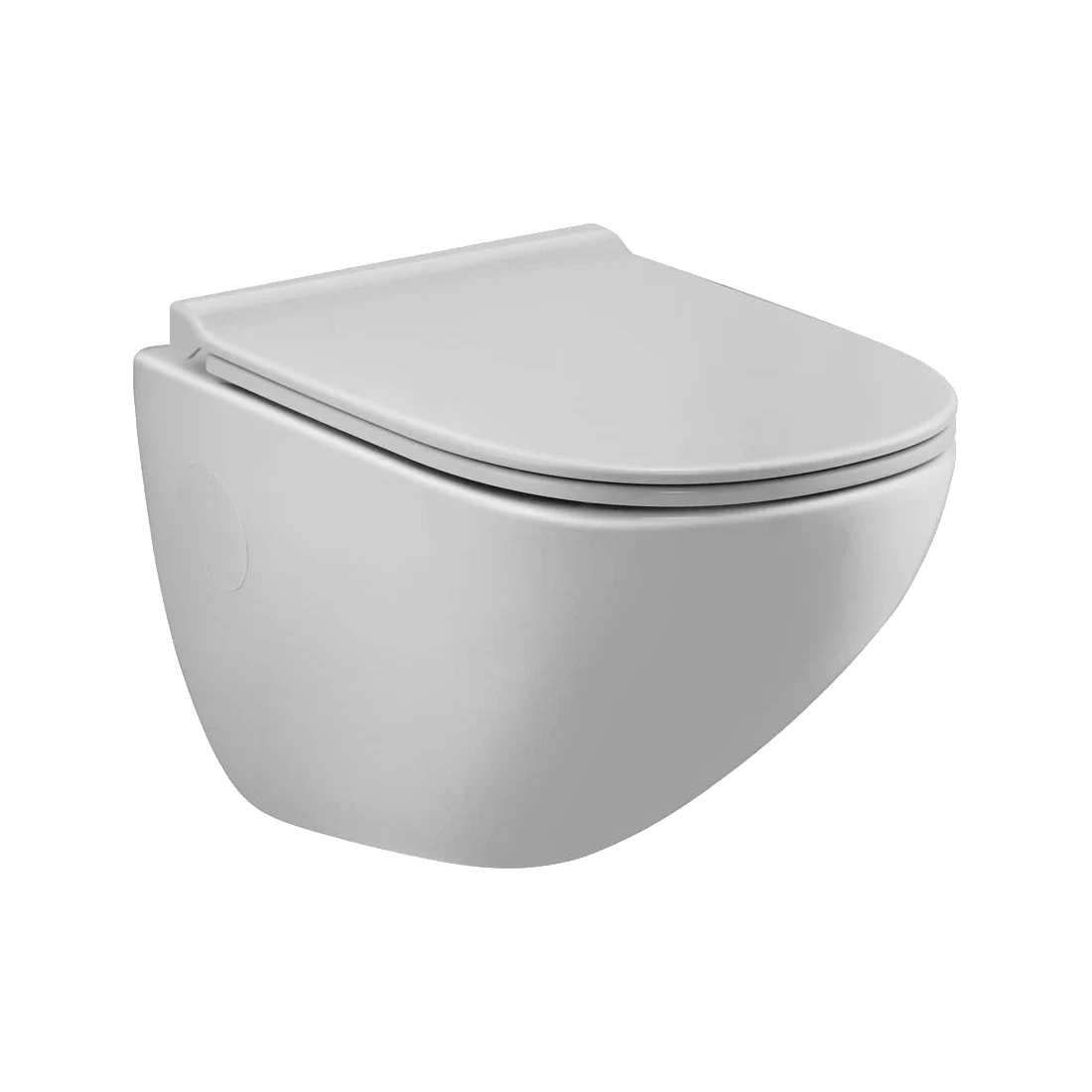
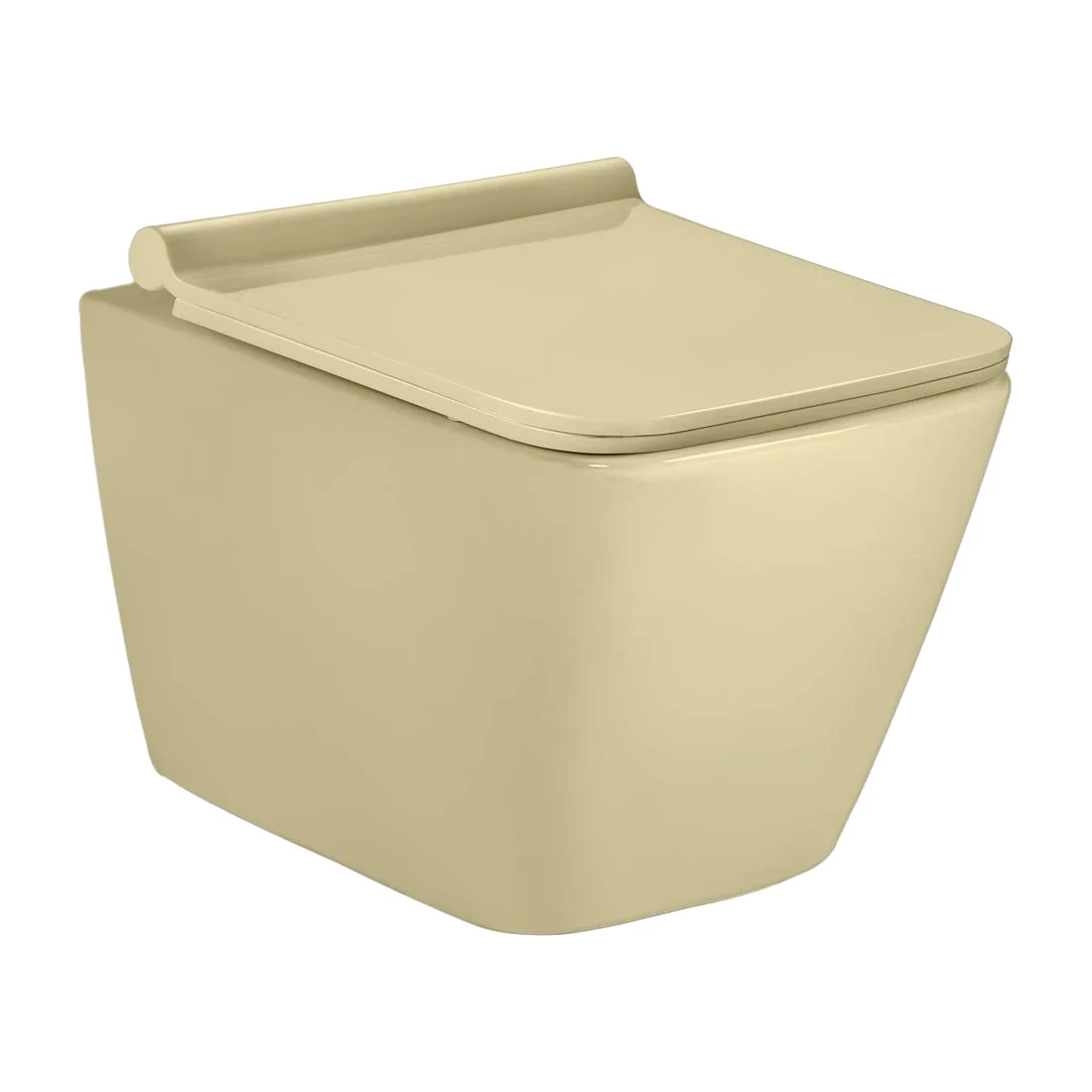
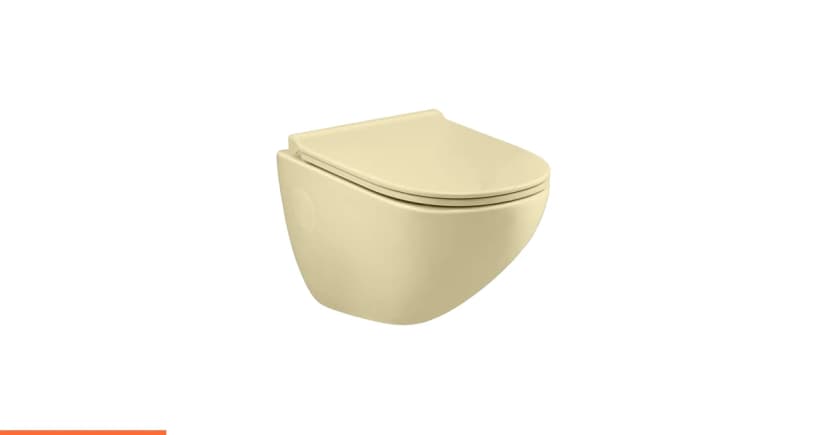
A wall hung WC is bolted to a metal frame hidden inside the wall. The cistern is concealed in that same wall cavity, and only the pan and a flush plate are visible. Nothing touches the floor.
The wall is the deciding factor
This is the part that gets skipped. A wall hung pan has to carry the user's full weight on a cantilever. That load does not go into the wall. It goes into a concealed frame, which then transfers it to the floor slab.
In a lot of Bengaluru flats the bathroom partition is a 4-inch block wall, sometimes a lighter partition. You cannot simply bolt a wall hung pan to that. You need the frame, and the frame needs about 200mm of depth, which means either a stud wall built out in front of the existing one, or a niche cut into it.
That build-out costs floor depth and money, and it is the single biggest reason a wall hung installation ends up more expensive than the price tag suggests. If you are renovating a bathroom that is already tight, losing 200mm across one wall is a real trade-off.
Cleaning, and why it is the strongest argument
With nothing meeting the floor, a mop passes straight under a wall hung pan. There is no rim of grout at the base collecting water, no awkward gap behind the pedestal. In a bathroom that gets cleaned daily, that difference compounds.
Floor mounted pans have improved here (many are now moulded with a tighter skirt so there are fewer places for water to sit), but they still meet the floor somewhere, and that joint still needs attention.
From our shop
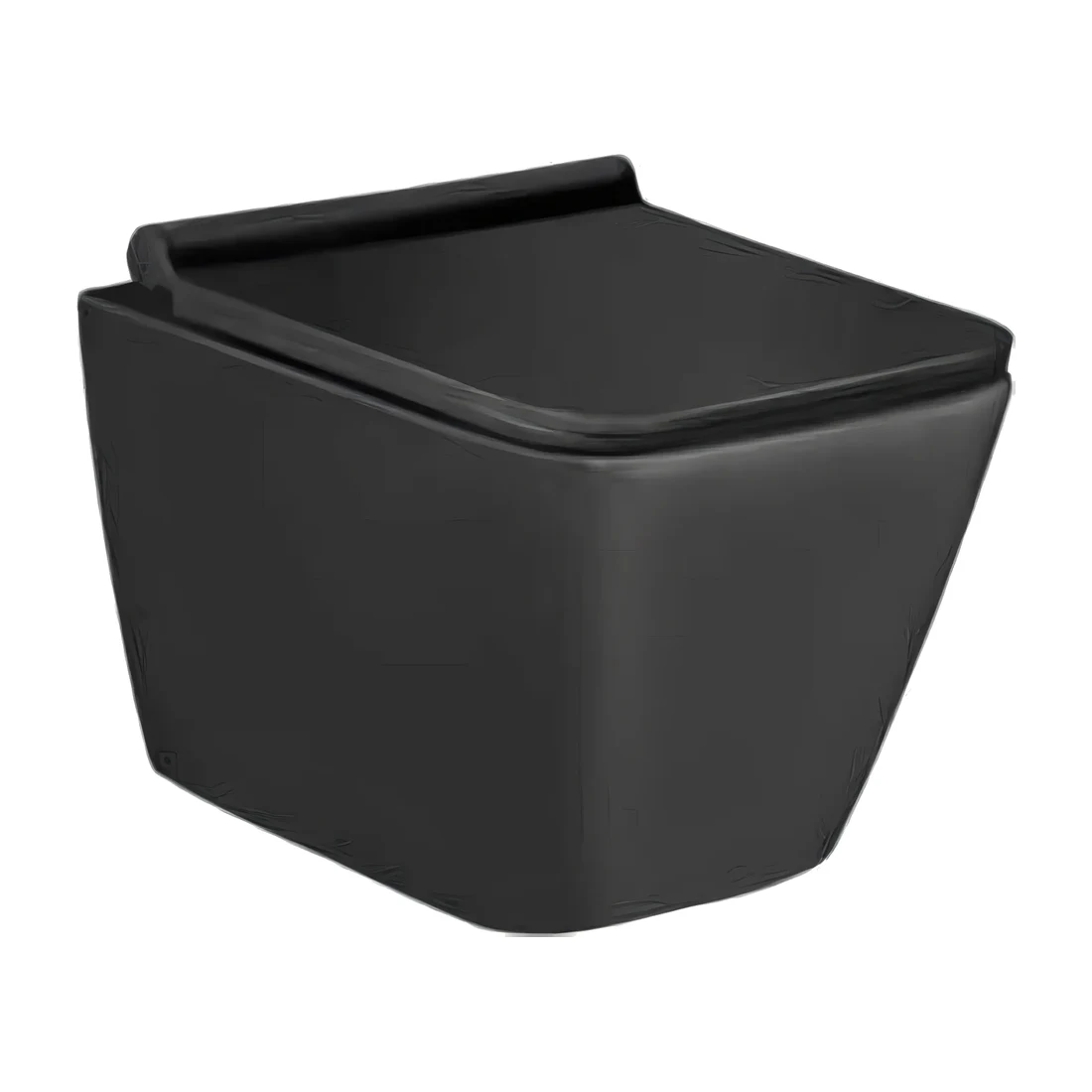
Products in this guide
Live dealer prices. Add to cart, or ask for a GST quote on the whole list.
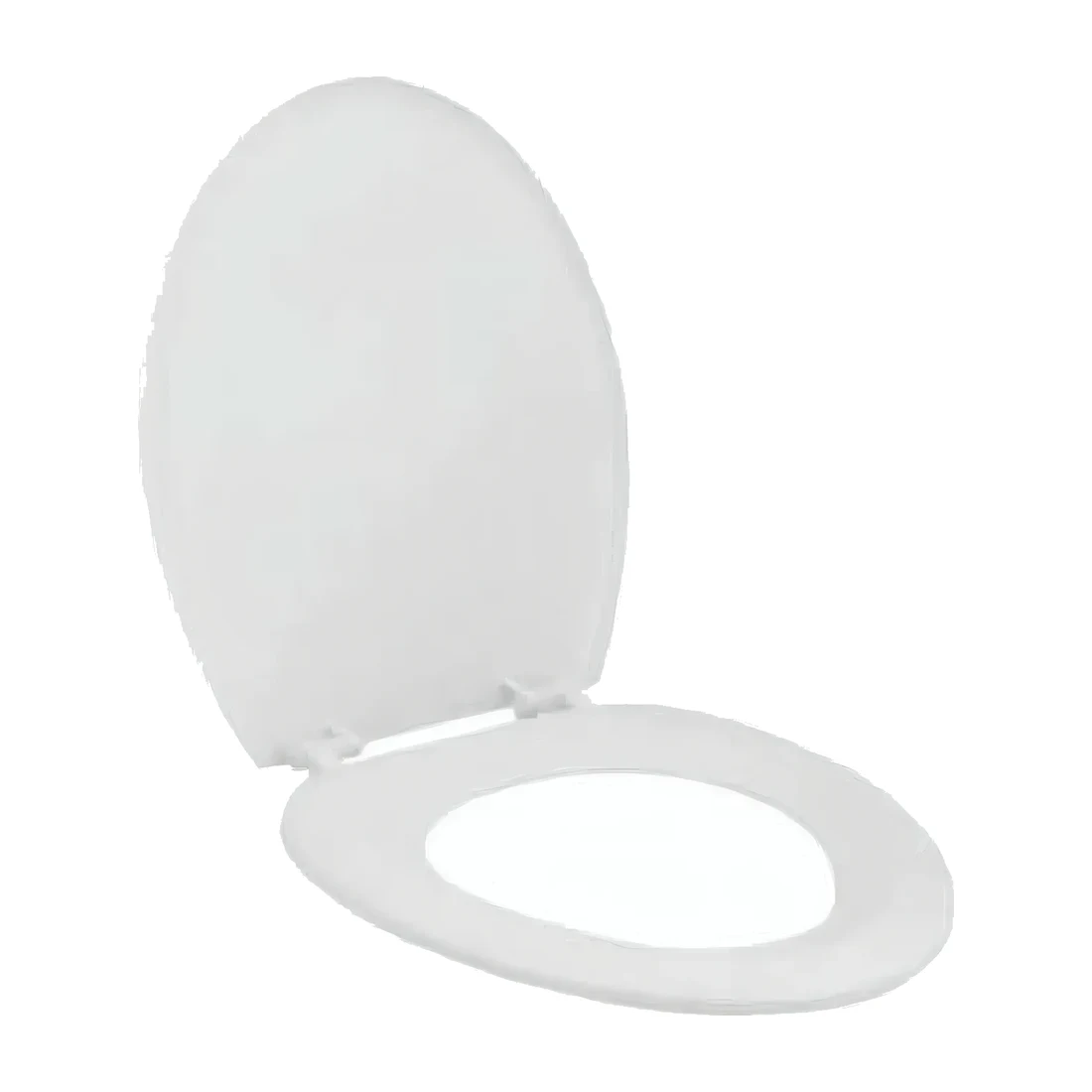
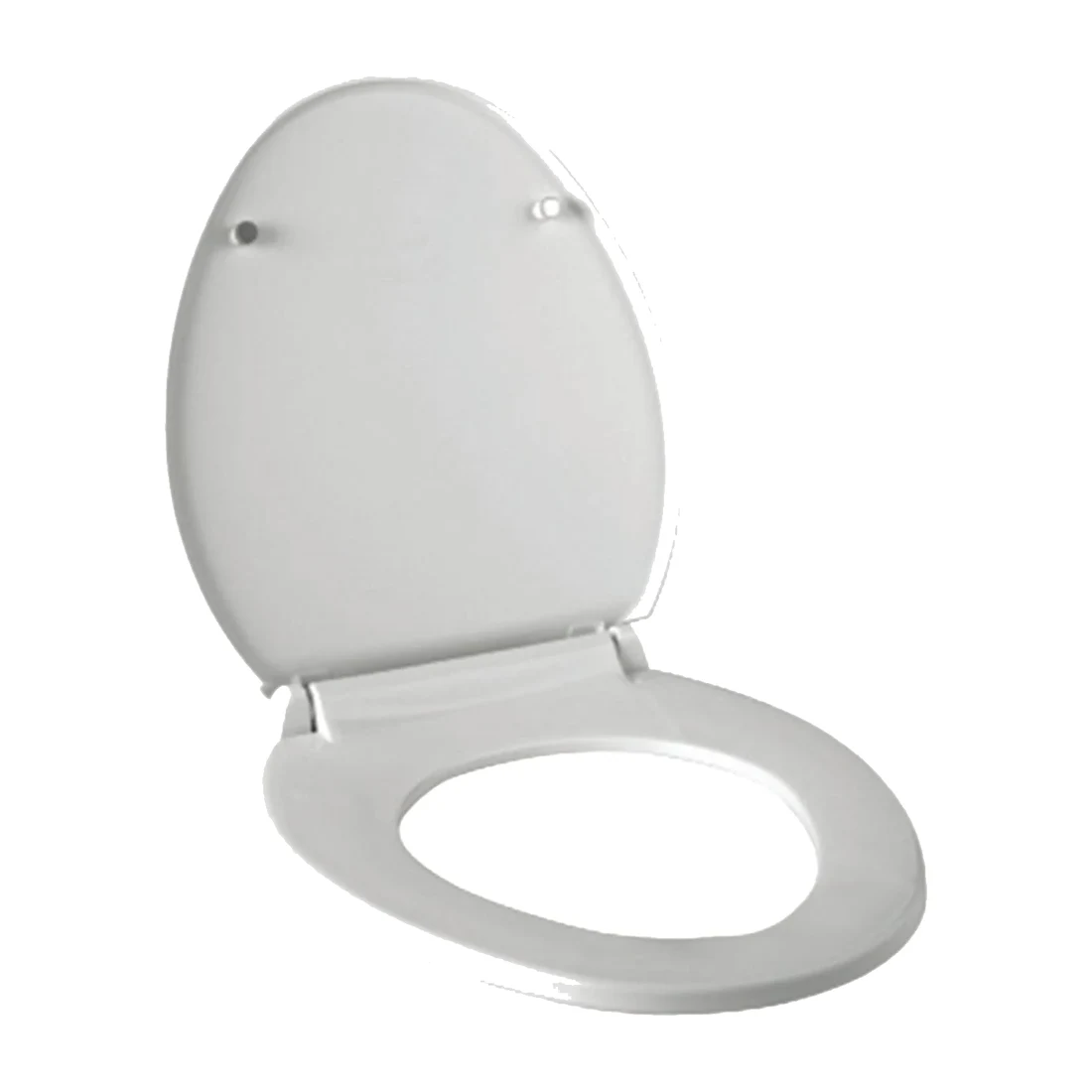
Solid N Coupled WC
Standard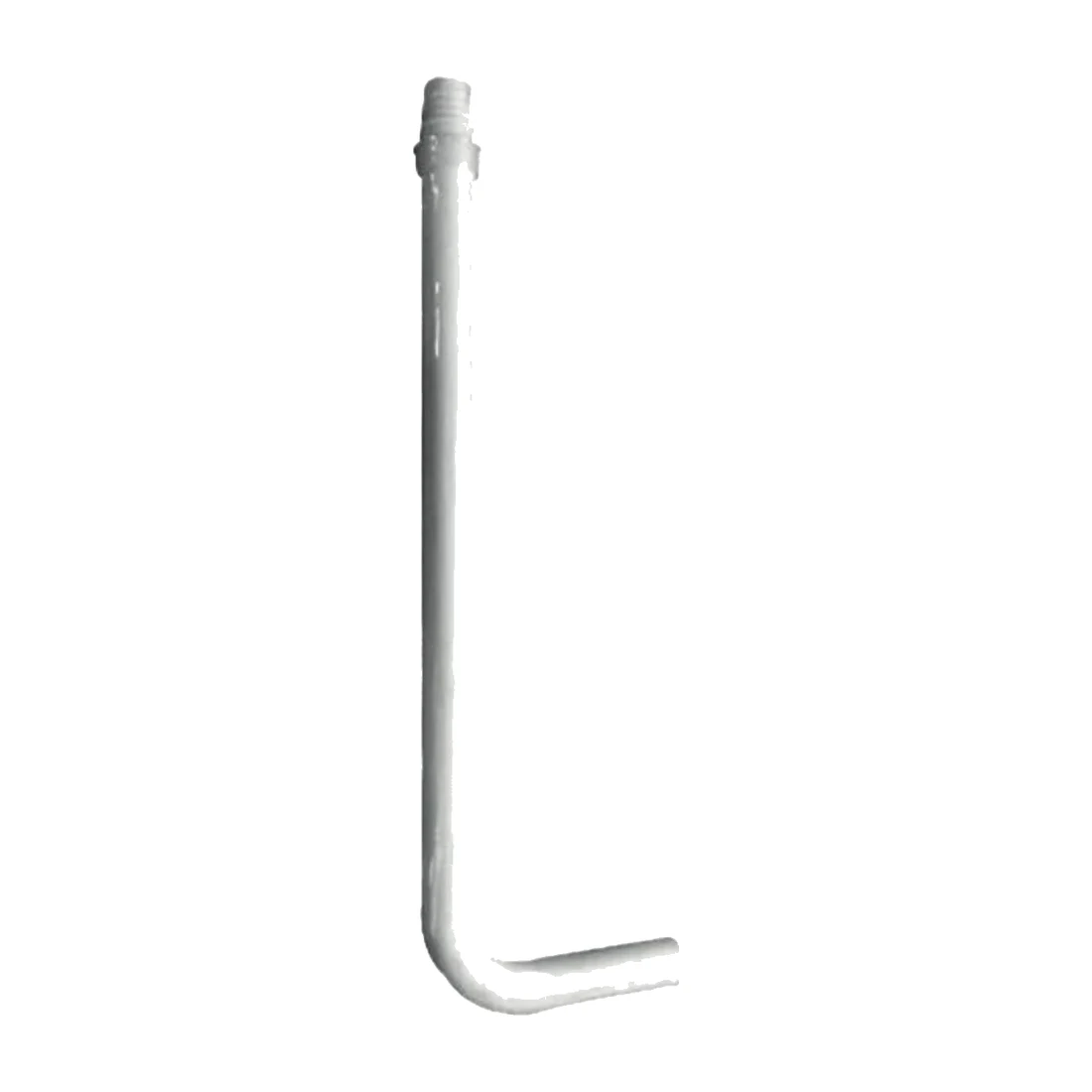
Long Bend Pipe Cistern
Standard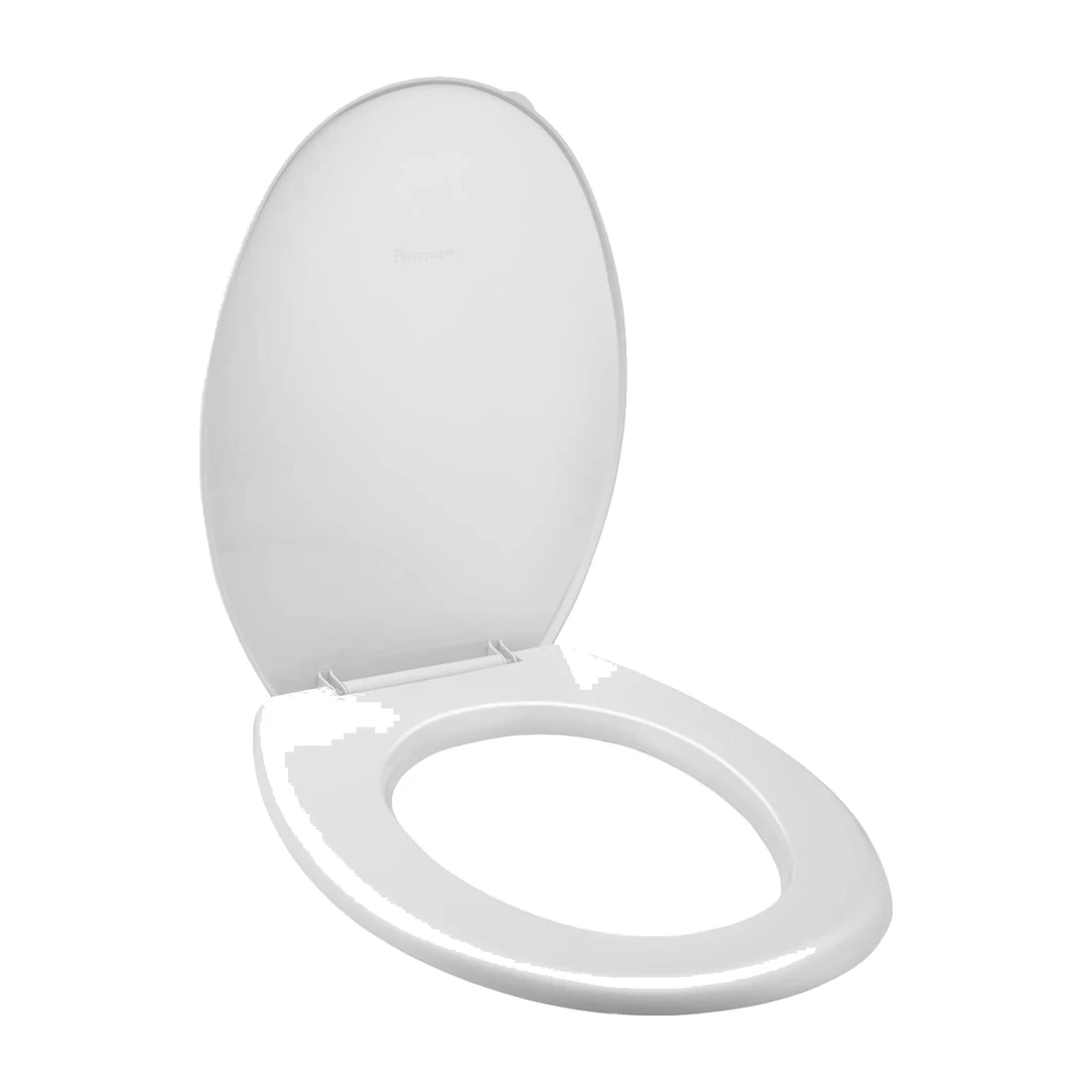
Servicing the concealed cistern
The common worry is: what happens when the concealed cistern fails, is the wall coming down? No. A properly installed concealed cistern is serviced entirely through the flush plate opening. The inlet valve and the flush valve both come out through that hole.
The real risk is not the cistern failing. It is a bad installation: a joint inside the wall that was not tested before tiling. Insist that the frame and cistern are pressure tested and left for a day before anything is tiled over. That one instruction removes most of the risk people are afraid of.
What each actually costs
Across the Parryware range we stock, water closets run from around ₹1,260 to ₹17,200 at dealer prices. That spread is not wall hung versus floor mounted. It is series, finish and flush technology.
The cost difference shows up elsewhere:
- Floor mounted: pan plus cistern, and a plumber fits it in a morning.
- Wall hung: pan, concealed cistern, the frame, the flush plate, plus masonry work to build out the wall. The hardware alone is usually the larger number, and the civil work is on top.
As a rough planning figure, budget for the wall hung route costing meaningfully more once the frame and the wall work are included: not double, but enough that it should be a deliberate choice rather than an impulse at the showroom.
Rimless is the upgrade that matters more
If you only change one thing, make it this. A traditional pan has a hollow rim around the top edge that water runs through. You cannot see inside it and you cannot properly clean it. A rimless pan does away with that channel and directs water around the bowl from an open shelf.
Rimless is available in both wall hung and floor mounted. For most households it makes a bigger day-to-day difference than the mounting style does, and it is worth prioritising over the floating look if the budget only stretches to one.
So which one
Choose wall hung if you are already doing civil work, the bathroom is small enough that clear floor matters, and you want the easiest possible cleaning. It suits new builds and full gut renovations, where the wall can be planned properly from the start.
Choose floor mounted if you are replacing an existing WC without touching the walls, the bathroom is a rental or a quick refresh, or you would rather put the budget into a better flush and a rimless bowl than into concealed hardware.
Neither is the premium choice and the other the compromise. A good floor mounted rimless pan will serve a family better than a cheap wall hung unit on an underspecified frame.
Before you buy, check the outlet
Whichever you pick, the pan has to match the waste outlet already in your bathroom: S-trap for a floor outlet, P-trap for a wall outlet. Getting this wrong is the most common and most expensive mistake in a bathroom purchase, because the pan cannot be adapted after the fact.
Measure before you order, and if you are unsure, send us a photograph of the existing outlet with a tape measure against it.
AR Trading Company is an authorised Parryware dealer in Bengaluru. You can browse the full Parryware range with dealer prices and GST billing, or talk to us about a whole-bathroom list.
More articles
Bathroom & Sanitaryware
What Bathroom Fittings Actually Cost in Bengaluru: A Dealer’s Guide
18 September 2026

Bathroom & Sanitaryware
S-Trap vs P-Trap: Get the Toilet Outlet Right Before You Buy
18 September 2026

Bathroom & Sanitaryware
Wash Basin Types Explained: Counter Top, Wall Hung, Pedestal and Bowl
18 September 2026