CPVC vs uPVC: Which Is Better, and Where Each Goes

Quick answer: Neither is better: uPVC is for cold water and CPVC is for hot and cold, so any line carrying water from a geyser or solar heater must be CPVC. uPVC is rated to 45°C against 93°C for CPVC, even though uPVC is the stronger pipe at room temperature. At 3/4 inch, CPVC costs about ₹58 a metre more than Schedule 40 uPVC, and the two need different solvent cements.
The honest answer is that neither is better. They are different pipes for different jobs, and the question only feels confusing because they look almost identical on the shelf.
Here is the whole thing in one line: uPVC is for cold water, CPVC is for hot and cold. If a line will ever carry water from a geyser or a solar heater, it has to be CPVC. Everything else is detail, and the detail is below, with prices from our own counter in Viveknagar and temperature and pressure figures from the manufacturers' published catalogues.
Temperature is the real dividing line
This is the number that decides the job, and most people have never seen it.
| uPVC | CPVC | |
|---|---|---|
| Maximum recommended service temperature | 45°C | 93°C |
| Made to | ASTM D1785, Schedule 40 and Schedule 80 | IS 15778 and ASTM D2846 |
| Carries geyser water | No | Yes |
Both figures come from the manufacturers' own published technical data: 45°C for PVC products in the Astral Aquarius uPVC catalogue and 93°C for CPVC in the Astral CPVC PRO catalogue.
A domestic geyser in Bengaluru is usually set somewhere between 55°C and 65°C. That is above the uPVC limit and well inside the CPVC one. Note the word recommended: uPVC does not burst the instant it sees warm water. It softens, it sags between clips, the joints creep, and eighteen months later somebody opens a wall. That is the failure we see, and it is slow, which is exactly why the mistake keeps getting made.
Pressure rating
Here is where people get it backwards. uPVC is actually the stronger pipe at room temperature.
| Pipe | Working pressure at 23°C | Working pressure at 82°C |
|---|---|---|
| CPVC SDR 11 (Class 1) | 400 psi, 28.1 kg per sq cm | 100 psi, 7.0 kg per sq cm |
| CPVC SDR 13.5 (Class 2) | 320 psi, 22.5 kg per sq cm | 80 psi, 5.6 kg per sq cm |
| uPVC SCH 40, 3/4 inch | 480 psi, 33.75 kg per sq cm | Outside its service range |
| uPVC SCH 80, 3/4 inch | 690 psi, 48.51 kg per sq cm | Outside its service range |
So at 23°C a Schedule 80 uPVC pipe holds far more pressure than CPVC. The catch is the second column. Astral's published derating table for CPVC puts the pipe factor at 1.00 at 23°C, 0.50 at 60°C and 0.25 at 82°C. Plastic gives up pressure as it gets hot, and uPVC gives up so much of it that the manufacturer simply stops rating it. Strength at room temperature is not the property you are buying a hot water pipe for.
The solvent cement is not interchangeable, and this is the expensive mistake
Two different adhesives, two different standards. CPVC cement is made to ASTM F493, which is titled for CPVC pipe and fittings specifically. uPVC cement is made to ASTM D2564. Both standards are cited in the manufacturers' catalogues linked above.
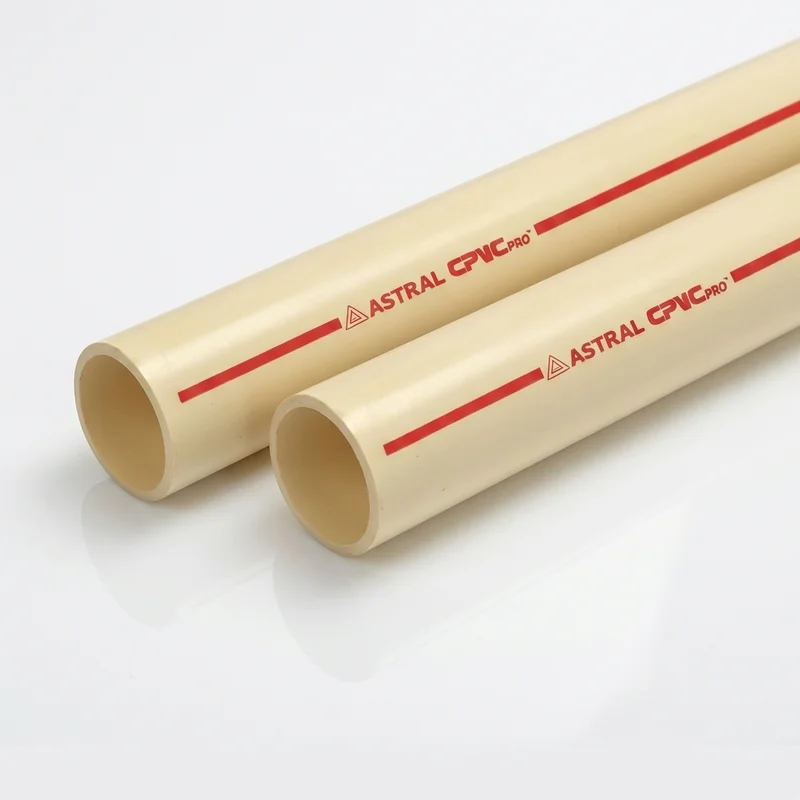
The yellow tin is CPVC. Blue, clear and grey are uPVC. Somebody will tell you the blue one works on CPVC because the joint did not leak during the test. It did not leak cold. It fails when the hot line runs, often months later, and the pipe is in a wall by then.
| Cement | For | 118 ml tin |
|---|---|---|
| CPVC Yellow Medium, 1 Step | CPVC only | ₹288 |
| uPVC Blue Medium, 1 Step | uPVC and PVC only | ₹185 |
| uPVC Heavy Duty Grey, 2 Step | uPVC, larger sizes | ₹205 |
Both catalogues also say to use primer on solvent cement joints above 65 mm, which is 2 1/2 inch. On a house you will rarely hit that. On a site you will.
From our shop
Products in this guide
Live dealer prices. Add to cart, or ask for a GST quote on the whole list.
They are not even the same diameter
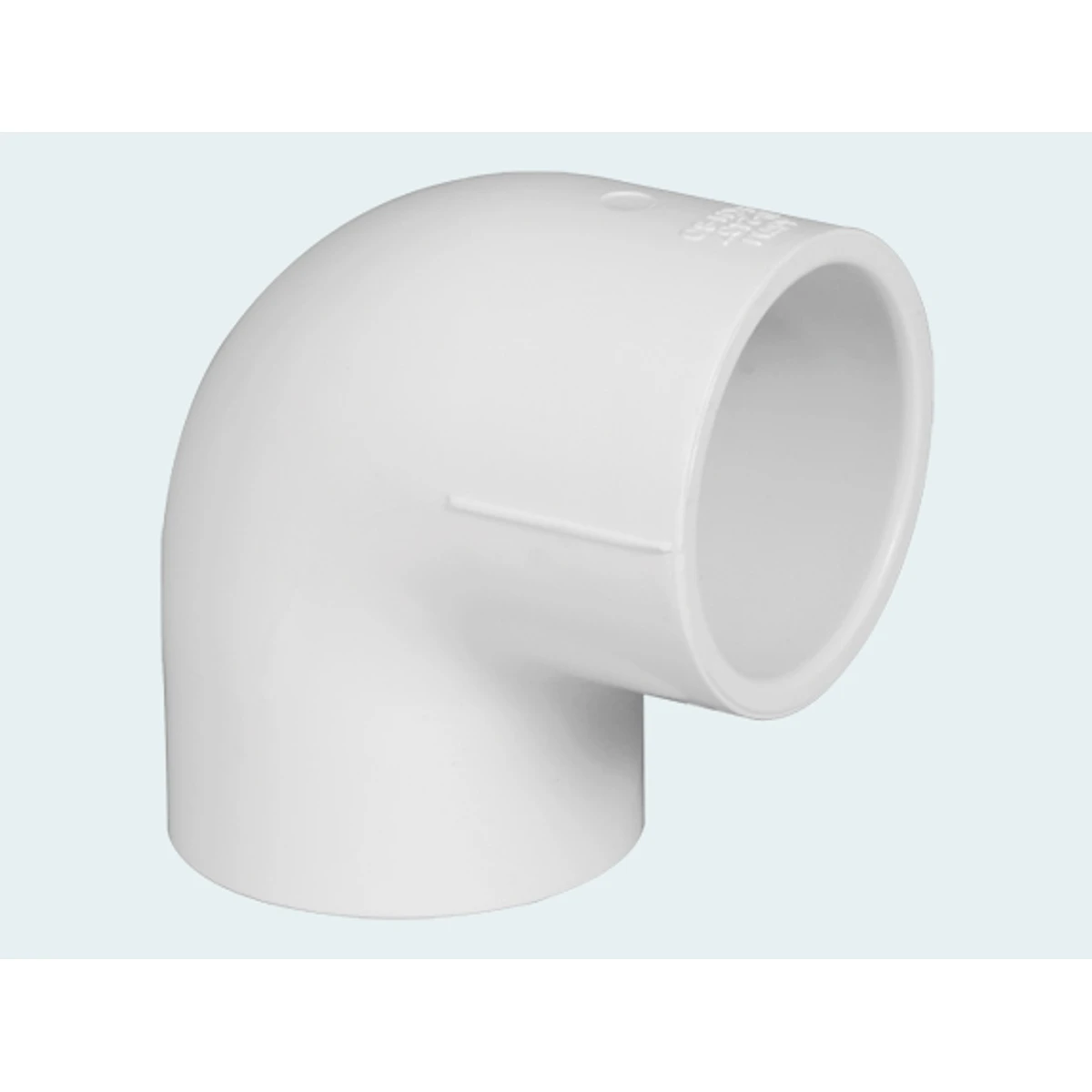
A half inch CPVC pipe and a half inch uPVC pipe are two different pipes with the same name on the label. CPVC plumbing pipe is made to copper tube size. uPVC Schedule 40 and 80 is made to iron pipe size.
| Nominal size | CPVC outside diameter | uPVC SCH 40 and 80 outside diameter |
|---|---|---|
| 1/2 inch | 15.9 mm | 21.34 mm |
| 3/4 inch | 22.2 mm | 26.67 mm |
| 1 inch | 28.6 mm | 33.40 mm |
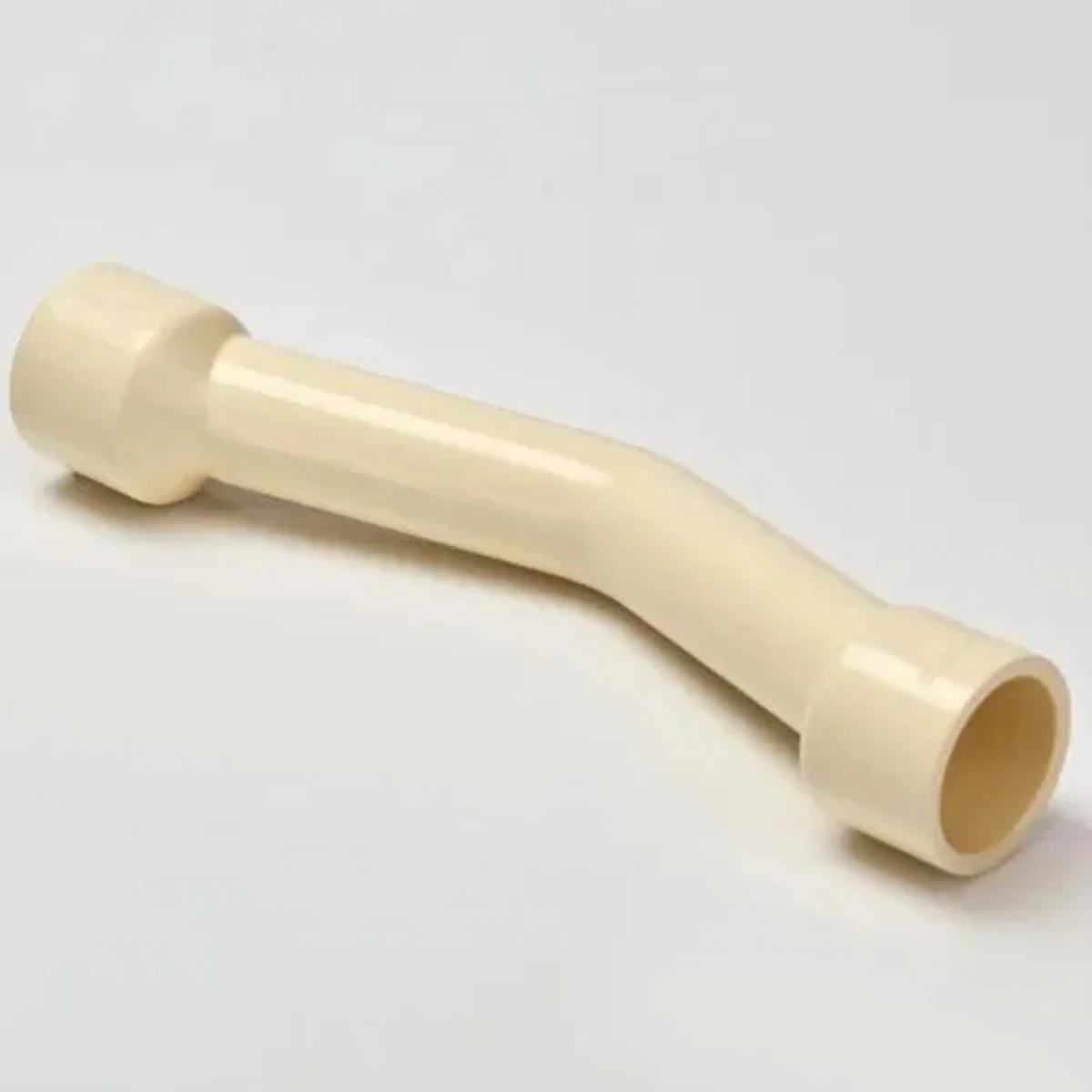
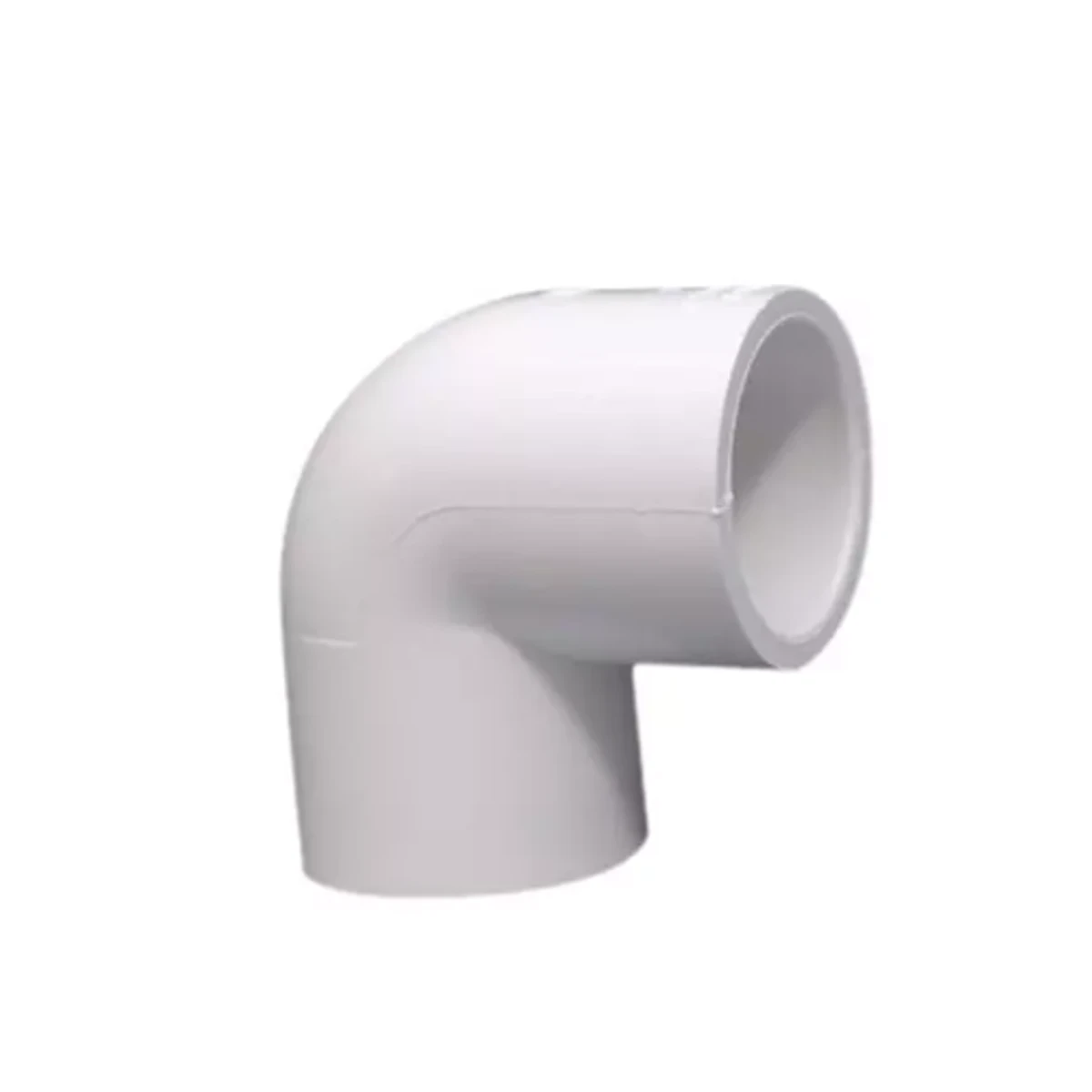
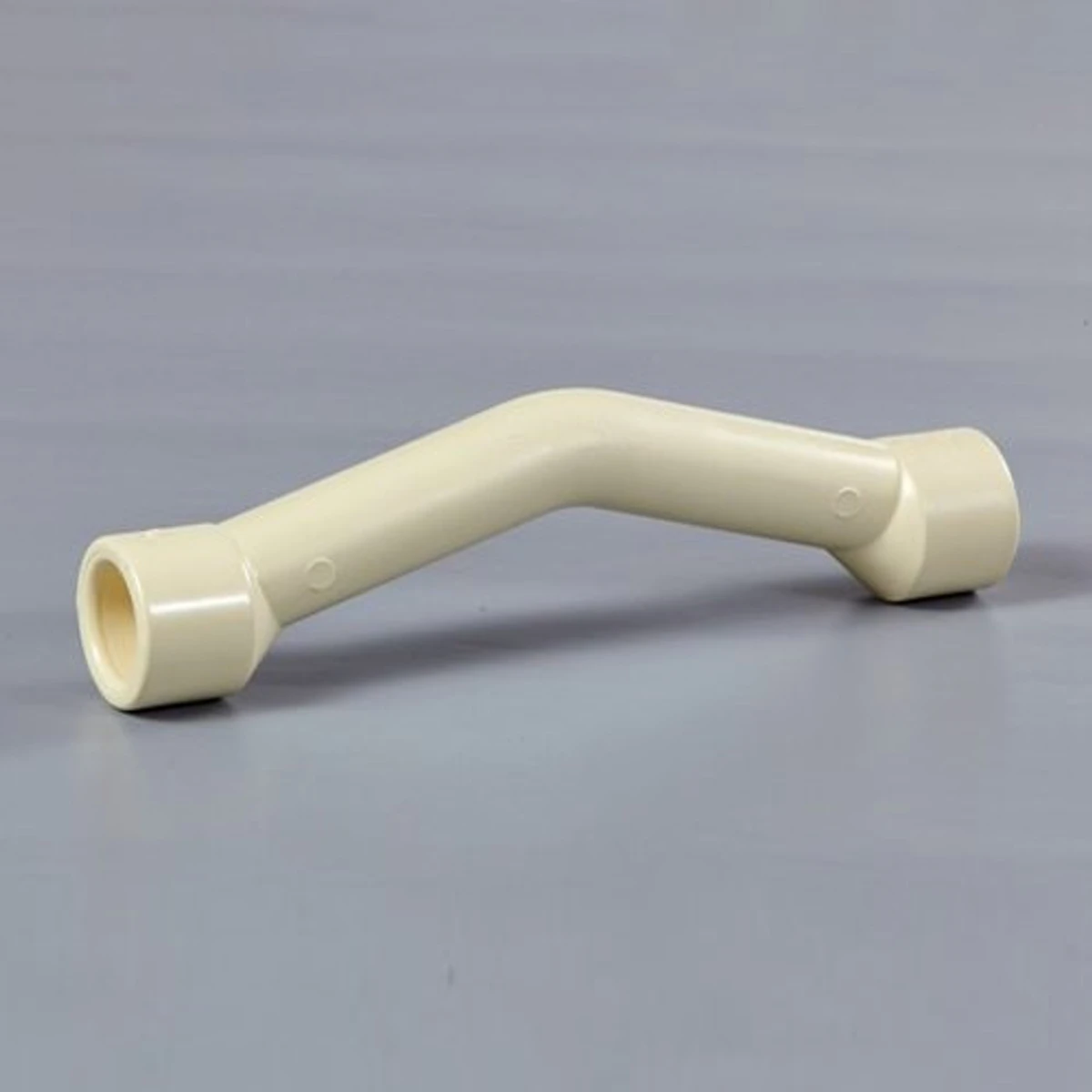
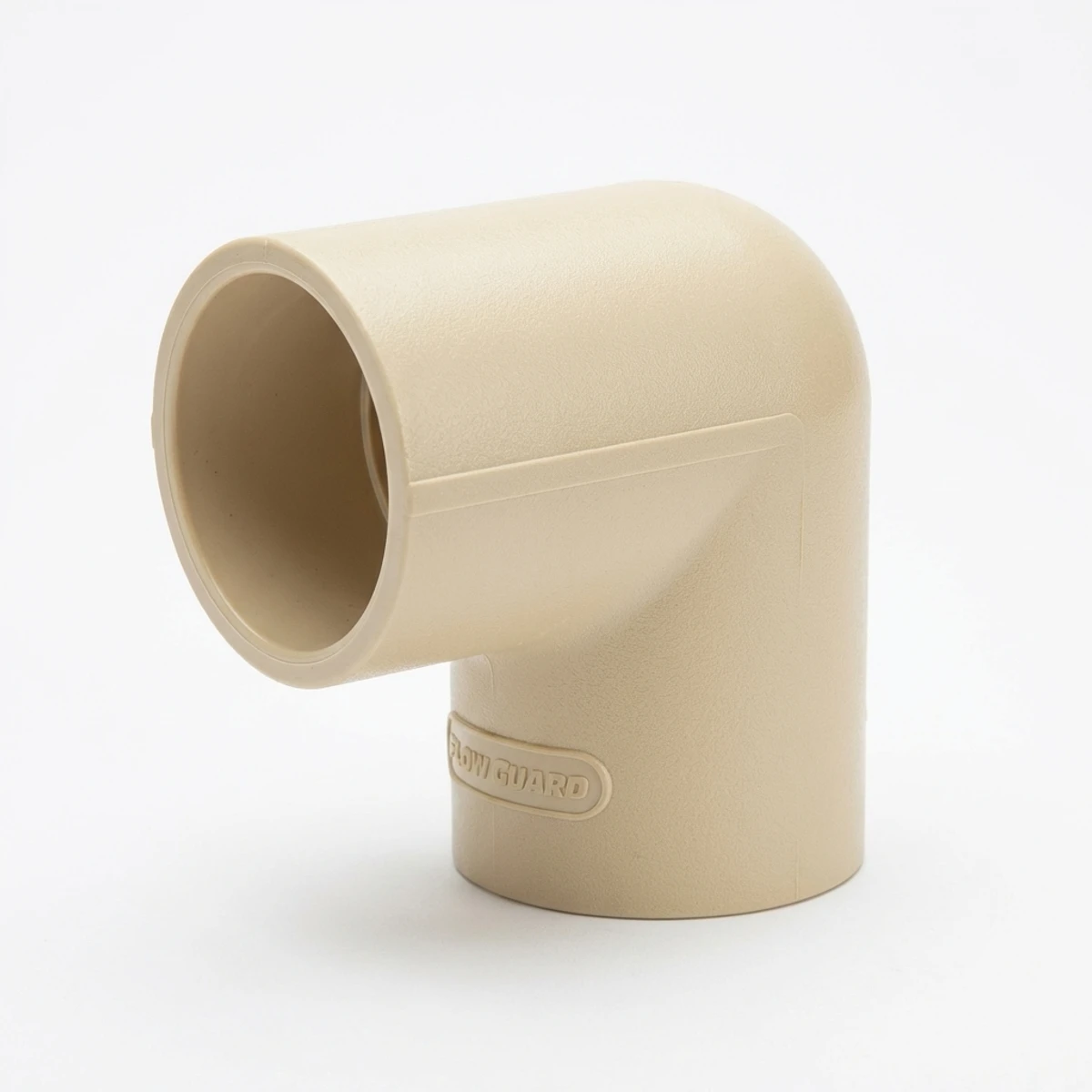
That is why a CPVC elbow will not go on a uPVC pipe, and why the plumber who says he will make it fit is about to do something you will pay for twice. If you need to cross from one system to the other, there is a part made for it: the uPVC to CPVC converter coupler at ₹36 in 3/4 inch. We cover the full table in our CPVC pipe size chart in mm and inches.
Price per metre, both ways
Counter prices at Viveknagar on 21 September 2026, before GST. CPVC comes in 5 metre lengths, uPVC in 6 metre, so the per metre column is the one to compare.
| Pipe | 1/2 inch | 3/4 inch | 1 inch |
|---|---|---|---|
| Ashirvad uPVC SCH 40 | ₹93 | ₹116 | ₹174 |
| Ashirvad uPVC SCH 80 | ₹119 | ₹149 | ₹226 |
| Ashirvad CPVC SDR 13.5 | ₹114 | ₹164 | ₹239 |
| Ashirvad CPVC SDR 11 | ₹130 | ₹174 | ₹269 |
At 3/4 inch, CPVC Class 1 costs ₹58 a metre more than uPVC Schedule 40. Over a whole two bedroom flat the hot lines might be forty metres, so the material difference is roughly ₹2,300. People hear "CPVC is expensive" and picture a much bigger number than that.
Fittings tell a similar story, and fittings are where the count adds up.
| Fitting, 3/4 inch | uPVC SCH 80 | CPVC |
|---|---|---|
| Coupler | ₹19 | ₹28 |
| Tee | ₹31 | ₹52 |
| End cap | ₹15 | ₹25 |
Which goes where in a 2BHK
- Overhead tank to the house, and the whole cold distribution: uPVC. It is cheaper, it is stronger cold, and none of it ever sees heat.
- Geyser inlet and outlet, and every line downstream of the geyser: CPVC. No exceptions.
- Both bathroom mixers: the hot leg is CPVC. Many plumbers run both legs in CPVC to the mixer so the wall has one system in it, and we think that is the right call. It removes the chance of a future repair landing the wrong cement on the wrong pipe.
- Kitchen sink: cold only in most Bengaluru flats, so uPVC. Put CPVC in if a hot tap is planned or even discussed.
- Solar water heater: CPVC, and pay attention to clip spacing. Solar output runs hotter than a geyser.
- Drainage, waste and rainwater: neither. That is SWR pipe, a separate system. Our SWR guide for Bengaluru buildings covers it.
What actually comes back to the counter
Four complaints, in the order we hear them.
- "The hot line is sagging." uPVC on a geyser line. Almost always the contractor bought one material for the whole flat to keep the quote simple. There is no fix. The wall opens.
- "The joint leaked after a month." Blue cement on CPVC, or a joint that was assembled dry and then had cement wiped around the outside. Cement goes on both faces and the joint gets a quarter turn as it seats.
- "The fitting does not fit." A CPVC fitting bought for a uPVC line, or the other way round. See the diameter table above. Take a cut off piece of the existing pipe to the counter rather than the size written on your list.
- "The tap drips and now the thread is stripped." A metal tap forced into a plastic threaded adapter. Use a brass adapter where metal screws on, and read how to fix a dripping tap on a CPVC system before you reach for a spanner.
So, which is better?
For a cold line, uPVC, and CPVC there is money wasted. For anything hot, CPVC, and uPVC there is a repair booked. If you are building fresh and want one answer to give your plumber: uPVC on the tank and the cold mains, CPVC from the geyser onwards, and never let one tin of cement do both jobs.
We stock both at the counter. See the uPVC pipe listing and the CPVC pipe listing for what is live today, the 2026 Ashirvad CPVC price list for full rates, and the older CPVC against PVC guide if you are also weighing agricultural grade PVC. For tax and invoicing on either material, see our GST rate and HSN code guide. Ring 99801 00987 or come to the counter with your list.
Questions we get asked
Can uPVC carry hot water?
No. The maximum recommended service temperature for PVC products is 45°C, and a domestic geyser runs above that.
Is CPVC stronger than uPVC?
Not at room temperature. Schedule 80 uPVC at 3/4 inch is rated 690 psi at 23°C against 400 psi for CPVC SDR 11. CPVC wins because it keeps working hot, not because it is stronger cold.
Can I use uPVC solvent cement on CPVC pipe?
No. CPVC cement is made to ASTM F493 and uPVC cement to ASTM D2564. They are different products for different materials.
How much more does CPVC cost than uPVC?
At 3/4 inch, about ₹58 a metre more than Schedule 40 uPVC at our counter today. On a two bedroom flat that is a few thousand rupees over the hot lines, not a different budget.
Will a CPVC fitting fit a uPVC pipe?
No. Half inch CPVC is 15.9 mm outside and half inch uPVC is 21.34 mm. Use a converter coupler to cross between the two systems.
Prices on this page are our counter prices before GST, checked on 21 September 2026 against our live stock list. Temperature, pressure and cement standards are from the manufacturers' published catalogues linked above, with CPVC classification per IS 15778. Ring 99801 00987 to confirm a rate on the day.