SWR Pipes in Bengaluru Buildings: What Contractors and Plumbers Need to Know

Quick answer: Use IS 13592 PVC SWR pipe: Type A above ground and Type B for any run that is buried, under a slab or walked over during construction. Size 40mm for basin and sink waste, 75mm for shower and bath waste, 110mm for toilet soil pipes and 160mm for main stacks in larger buildings and underground collector lines. Lay 110mm horizontal soil pipes at 1 in 40 to 1 in 80, with 1 in 50 as the practical middle ground.
Every building in Bengaluru has a soil and drainage system, but the quality of that system varies enormously depending on how it was specified and installed. A poorly designed SWR layout causes problems that are expensive and disruptive to fix after plastering: persistent blockages, gurgling traps, bad odours entering bathrooms, and slow draining sinks. Getting the system right at the planning stage costs almost nothing extra in materials and labour.
This guide is aimed at contractors, plumbers, and owners who want to understand SWR pipe selection and installation well enough to make good decisions on site.
What SWR means and the IS 13592 standard
SWR stands for Soil, Waste, and Rain. Soil pipes carry human waste from toilets. Waste pipes carry grey water from sinks, washbasins, showers, and washing machines. Rain pipes carry rainwater from terraces, balconies, and rooftop water harvesting systems. In practice, all three use the same type of PVC pipe and fittings in Indian residential construction, governed by IS 13592.
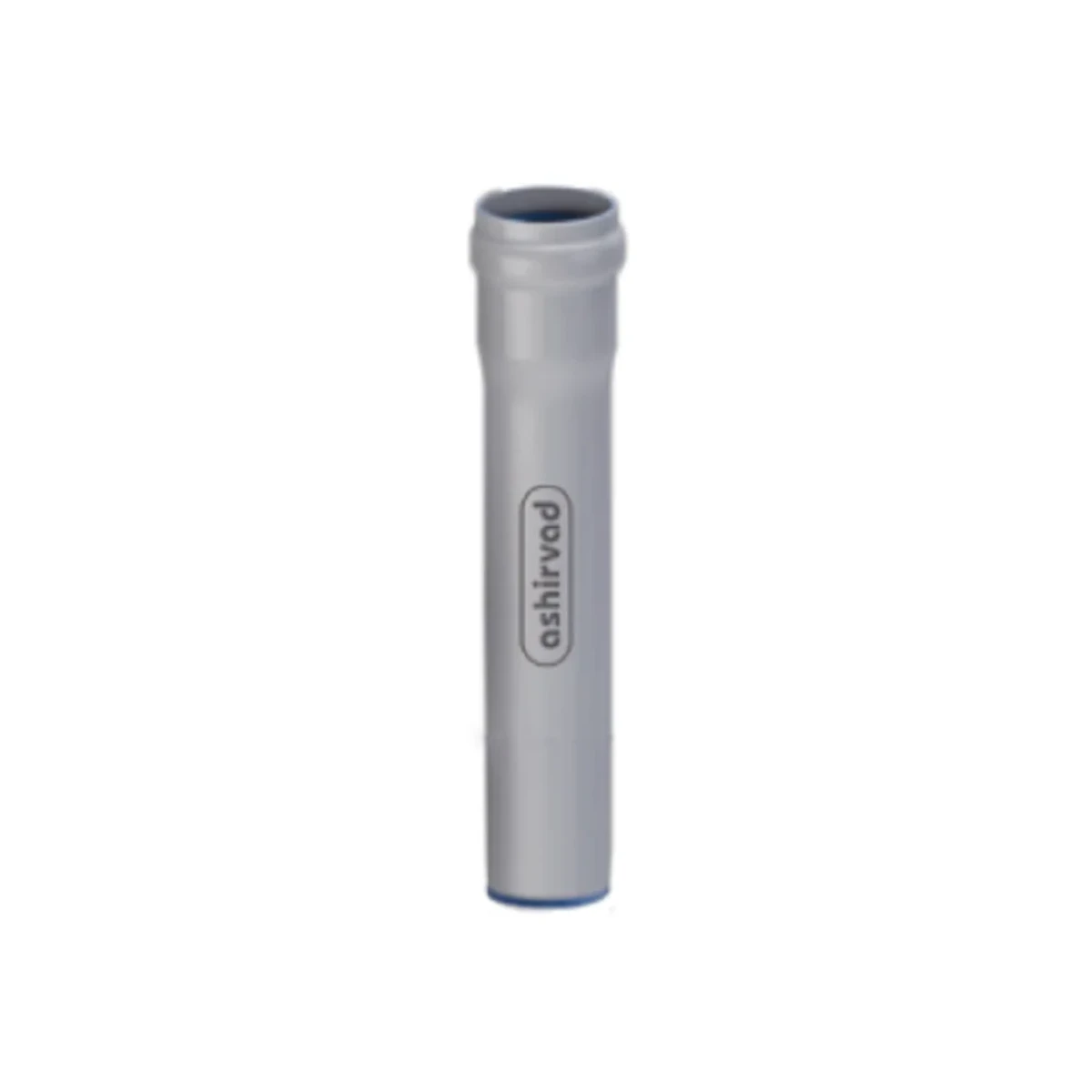
IS 13592 defines two types of SWR pipe: Type A, with a wall thickness suitable for above-ground drainage applications, and Type B, with a thicker wall for underground and below-slab use. Using Type A pipe underground is a common cost-cutting measure that leads to pipe collapse under load. Always specify Type B for any run that is buried, under a slab, or at risk of being walked over during construction.
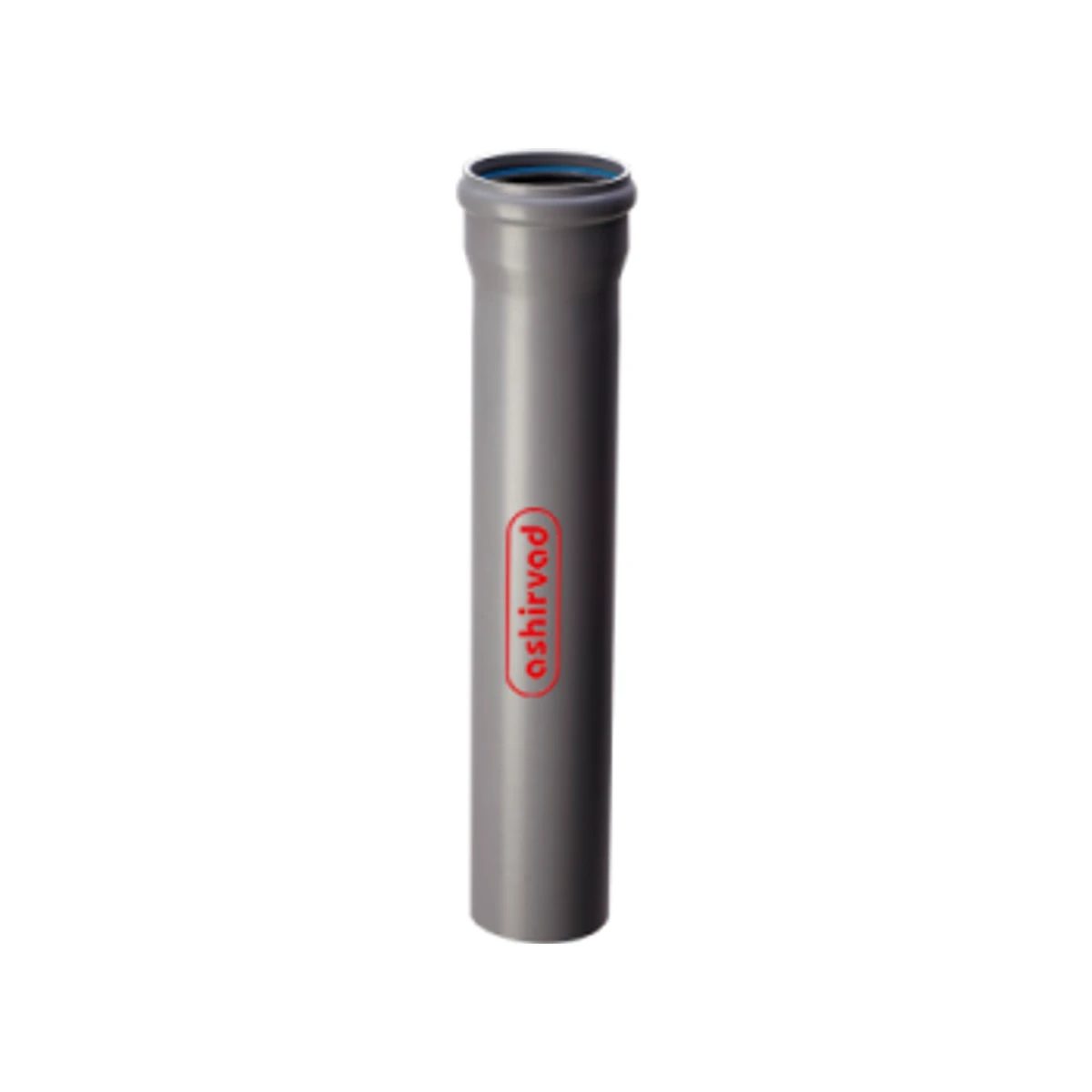
All three major brands (Supreme, Ashirvad, and Astral) make both Type A and Type B pipes. The pipe itself will usually be marked with the type and the IS number. Verify before accepting a delivery on site; substitutions happen more often than they should.
Standard sizes and what they cover
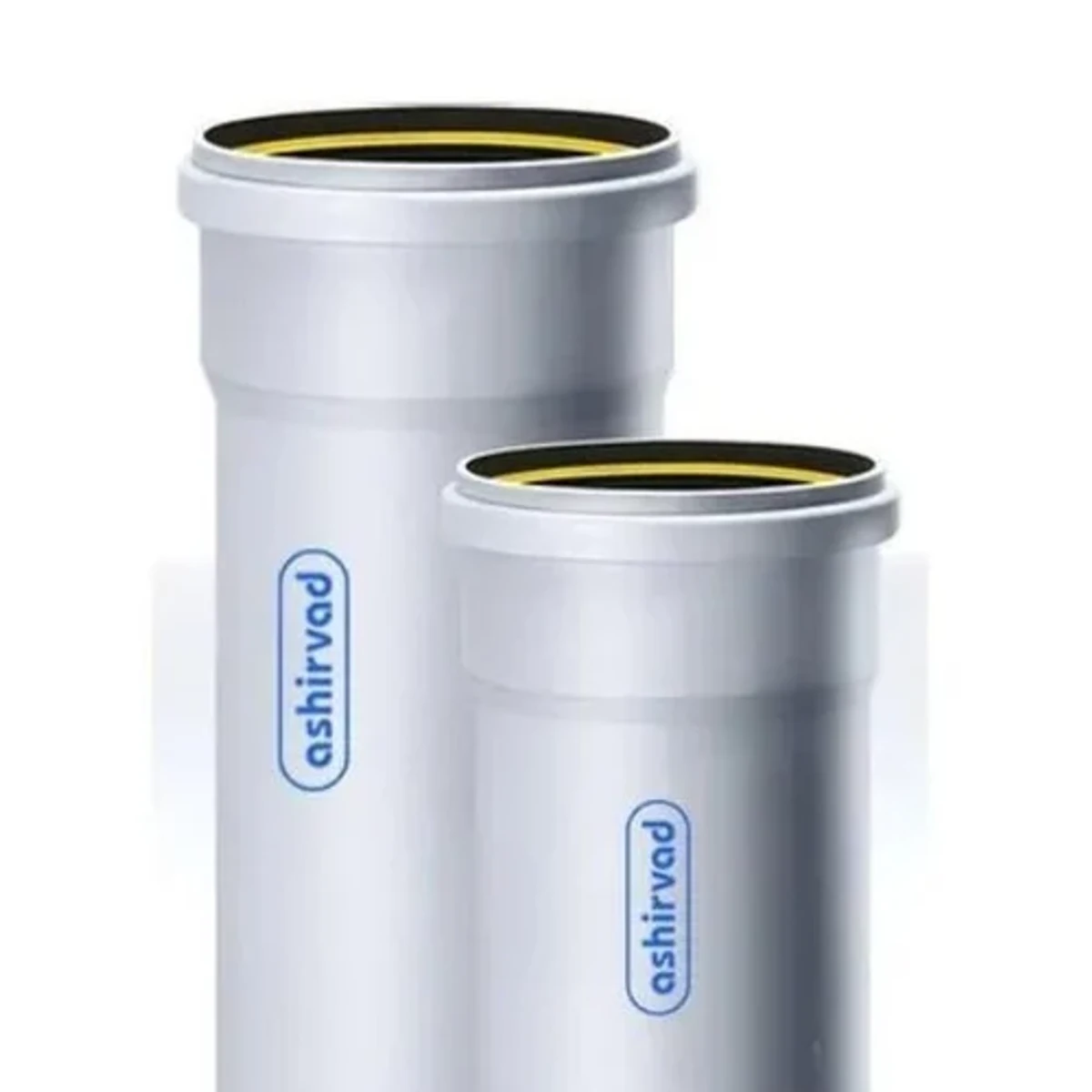
Bengaluru residential and small commercial projects primarily use four SWR pipe diameters:
- 40mm: Washbasin and kitchen sink waste lines. Minimum recommended for short horizontal runs to a stack.
- 75mm: Shower and bath waste, combined waste stacks in small buildings, short soil connections from toilets in some configurations.
- 110mm: The primary size for soil pipes (toilet connections) in residential buildings. Also used for main waste stacks in medium-sized buildings.
- 160mm: Main drainage stack in larger buildings, underground collector lines, and connection to the municipal drain or septic tank.
A common mistake in residential projects is under-sizing the main stack. A 75mm stack serving multiple toilets in a 4-storey building will consistently block. Size the main stack based on the total discharge units connected, not just the floor count.
Critical fittings and where they fail
The pipe itself rarely causes drainage problems. Fittings cause most of the failures. Three fittings deserve particular attention:
The P-trap or bottle trap. Every fixture that connects to the drain needs a water seal trap. The trap holds a small amount of water that blocks sewer gas from coming back through the drain. If a trap dries out because a fixture is rarely used, sewer gas enters the room. This is a common complaint in second bathrooms and servant toilets that are not used regularly. Traps should be accessible for cleaning; sealing them inside walls without an access panel creates maintenance problems.
The two-pipe vs single-pipe system. Traditional drainage design uses two separate pipe systems: one for soil (toilets) and one for waste (sinks, showers). Modern practice in Bengaluru increasingly uses a single-stack system where all fixtures connect to one main stack. A single-stack system works well when the pipe sizes, gradients, and fitting locations follow the correct design rules, but a poorly designed single-stack system causes trap siphonage, which pulls the water out of traps and allows sewer gas to enter bathrooms.
Junction angles. When a branch pipe joins a main stack, use a 45-degree Y junction rather than a 90-degree T junction for horizontal connections. The 90-degree T creates turbulence that promotes blockages. In practice, many plumbers use 90-degree fittings because they are easier to set out, but the 45-degree connection performs better over time.
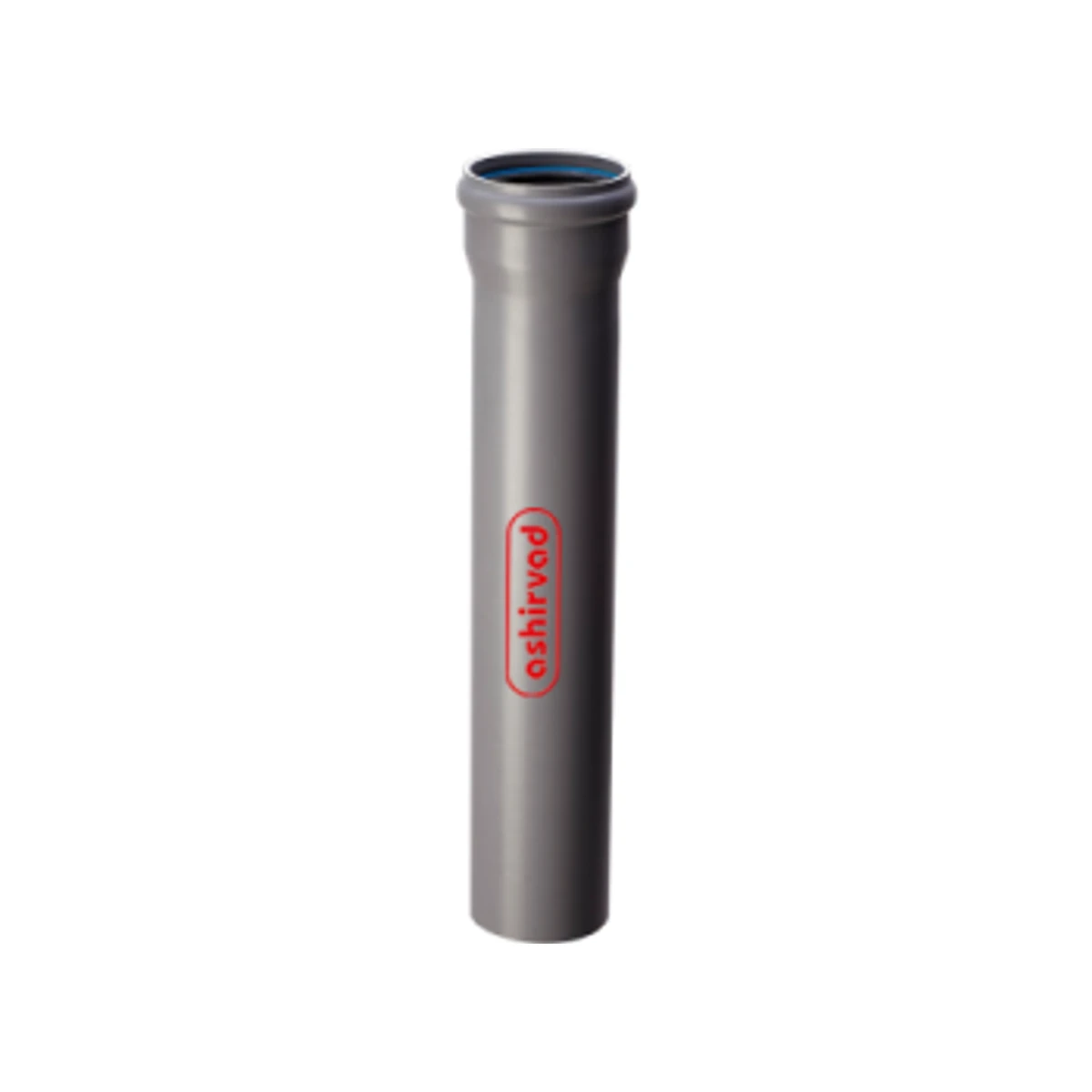
From our shop
Products in this guide
Live dealer prices. Add to cart, or ask for a GST quote on the whole list.
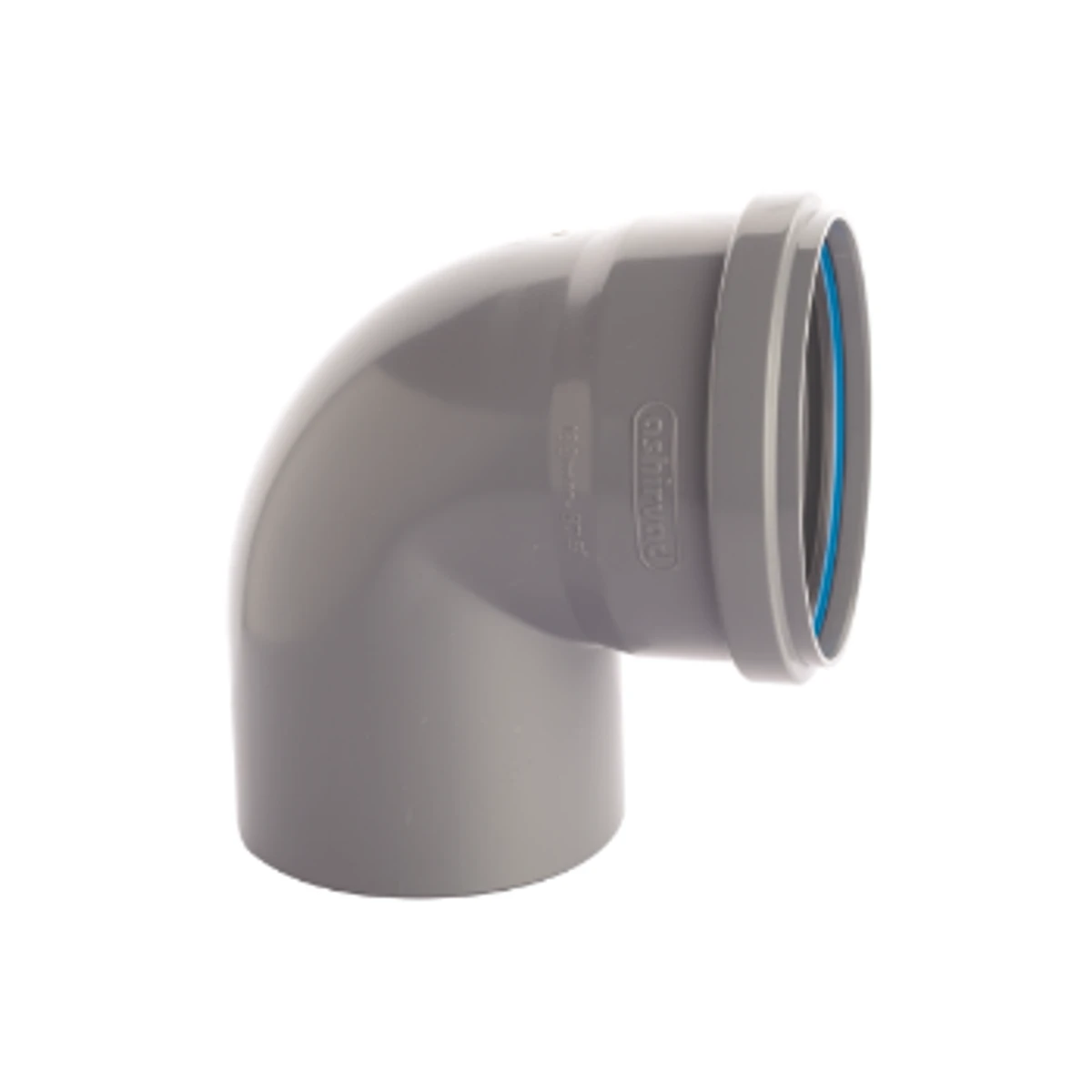
SWR WC Connecter Bend
4" × 4½" (110mm×125mm)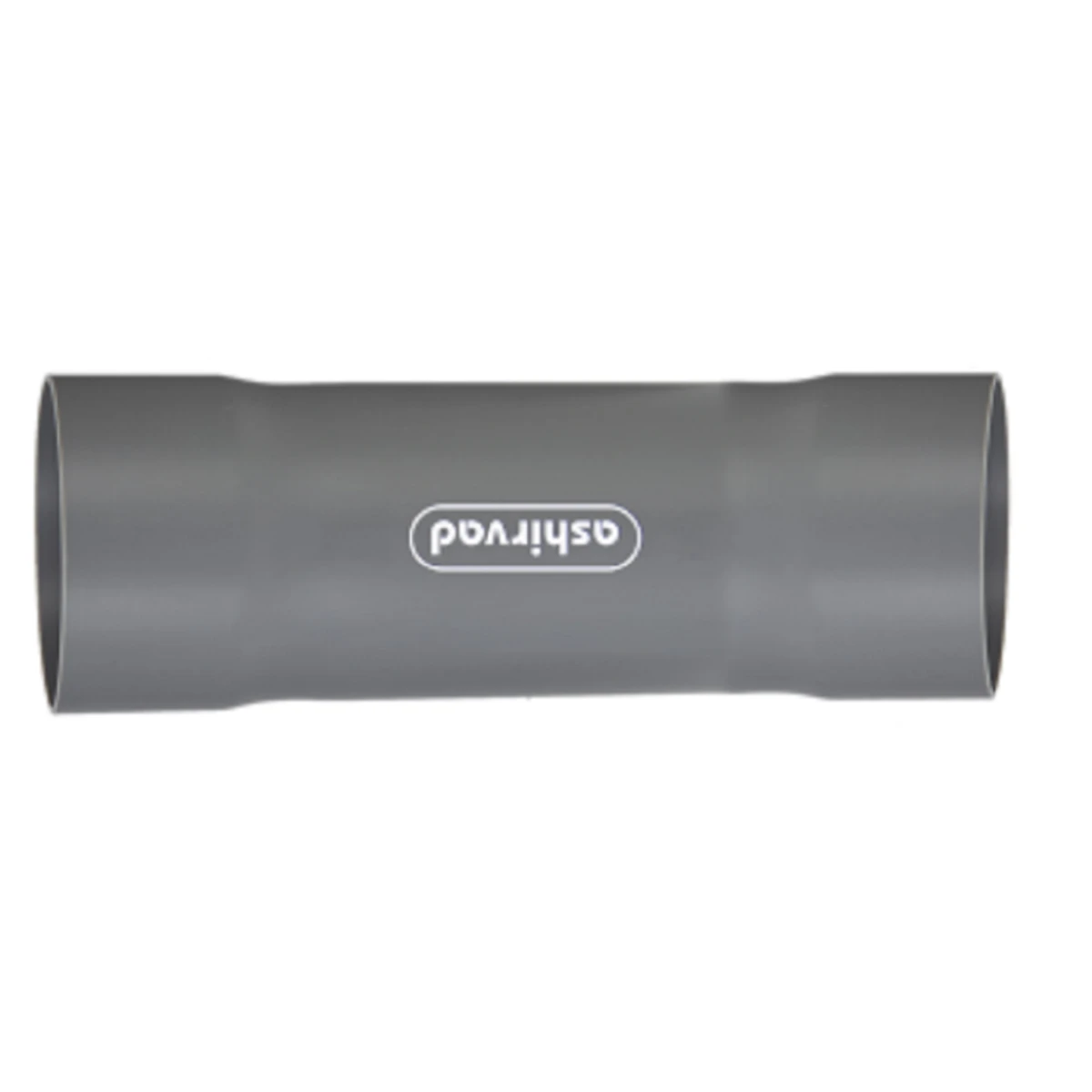
Getting gradients right
Horizontal drain pipes must fall towards the stack or outlet at a consistent gradient. Too shallow and waste sits in the pipe. Too steep and the liquid runs away from the solids. The standard recommendation for 110mm horizontal soil pipes is between 1 in 40 and 1 in 80, with 1 in 50 as a practical middle ground.
On a 3-metre horizontal run, a 1 in 50 gradient means the pipe falls 60mm from start to end, about 2 cm per metre. This sounds small but requires careful setting out. In a building under construction, the floor levels often shift by a few centimetres as concrete pours are adjusted. The plumber and the civil contractor need to coordinate so that the drain sleeves and openings are cast at the right levels.
When horizontal runs are long (for example, a toilet far from the main stack in a large commercial floor plate), the gradient calculation needs to consider the overall fall available between the toilet floor level and the stack connection. If the fall is insufficient, the pipe will need to be buried deeper into the slab, which has structural implications. Identify these issues at drawing stage, not after the slab is poured.
Common installation mistakes in Bengaluru projects
Several mistakes recur in drainage installations across the city. Being aware of them lets you check for them on site.
The first is mixing pipe types. Using Type A pipe underground saves money in the short term and creates a structural failure within a few years as vehicle or foot loads deform the thinner pipe wall. The cost difference between Type A and Type B for a typical residential project is not significant relative to the total project cost.
The second is skipping the soil test around underground drainage. In areas with expansive black cotton soil, which is common in parts of Bengaluru, the ground moves seasonally. Rigid underground pipe connections without flexible couplings can crack at the joints as the soil shifts. This is rare in hard laterite soil but worth considering for sites with soft or filled ground.
The third is insufficient access for maintenance. Drainage systems need to be cleaned periodically. Clean-out plugs should be installed at the base of every stack, at major bends in underground lines, and at any point where a blockage would be difficult to clear from either end. Many Bengaluru buildings are constructed without adequate clean-outs, requiring destructive access when a serious blockage occurs.
Rainwater and the drainage system
In Bengaluru, the BBMP and BDA require buildings above a certain size to have rainwater harvesting systems. Terrace rainwater should be directed to harvesting pits rather than directly to the drainage system. However, overflow pipes from the harvesting pit and drainage from lower-level areas that cannot be directed to the pit must be connected to a separate rainwater drainage line, not the soil and waste system.
Connecting rainwater directly to the soil stack during heavy rain can overwhelm the system, pushing foul odours up through traps and occasionally causing backflow. Design the rainwater and sanitary drainage systems as separate networks and connect them only where required by site conditions, with appropriate non-return arrangements.
Where to source materials in Bengaluru
Supreme, Ashirvad, and Astral SWR products are available through authorised dealers across Bengaluru. For project quantities, call ahead to confirm stock, particularly for 110mm and 160mm pipes and for the less common fittings like inspection chambers and large-radius bends. At AR Trading Company in Viveknagar, we stock both Type A and Type B in the main sizes and can arrange delivery to site for bulk orders. WhatsApp us your material list for a trade quote.
SWR sizes are quoted by outside diameter, which is the opposite of how pressure pipe is named, and that catches people out on mixed orders. Our pipe size chart in mm and inches sets both systems out side by side.