CPVC vs PVC: Which Pipe Should You Choose for Your Home Plumbing?

Quick answer: Use CPVC everywhere hot water flows, PVC SWR pipes for all drainage, and PVC pressure pipes for cold water supply lines where you want to save cost. CPVC handles continuous water temperatures up to 93 degrees Celsius against around 60 degrees for regular PVC, and geyser water can reach 65 to 75 degrees, so the entire hot water line must be CPVC. Expect CPVC to cost roughly two to three times as much as PVC per metre.
When a plumber hands you a material list for a new building or a bathroom renovation, you will usually see two types of pipes: CPVC and PVC. To most people these look almost identical: both are light, rigid, and come in similar sizes. But they behave very differently under the conditions found inside a typical Bengaluru home, and picking the wrong one can mean leaks, warping, or a failed pressure test.
This guide breaks down the differences in plain terms and gives you a framework for deciding which pipe belongs where in your project.
What is CPVC and what makes it different?
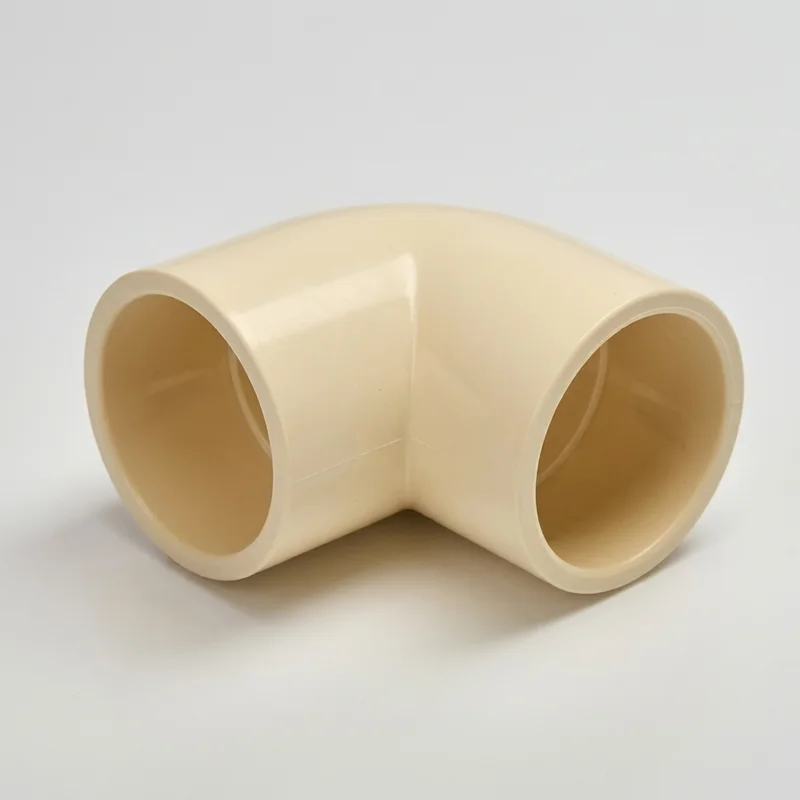
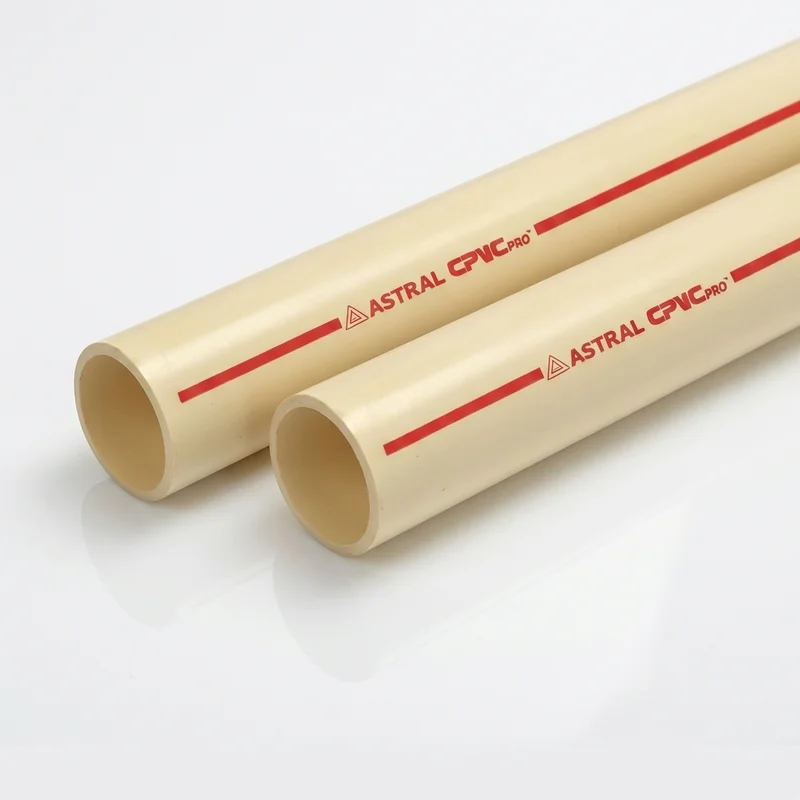
CPVC stands for Chlorinated Polyvinyl Chloride. The chlorination process adds extra chlorine atoms to the polymer chain, which raises the material's heat resistance. A standard CPVC pipe from a brand like Ashirvad or Astral can handle continuous water temperatures up to 93 degrees Celsius, compared to around 60 degrees Celsius for regular PVC.
This matters because hot water from a geyser or solar heater can easily reach 65 to 75 degrees at the point of delivery. Regular PVC softens and deforms at those temperatures, which is why you will never see a plumber running standard PVC from a geyser to a shower. CPVC stays rigid and maintains its pressure rating throughout the useful life of the system.
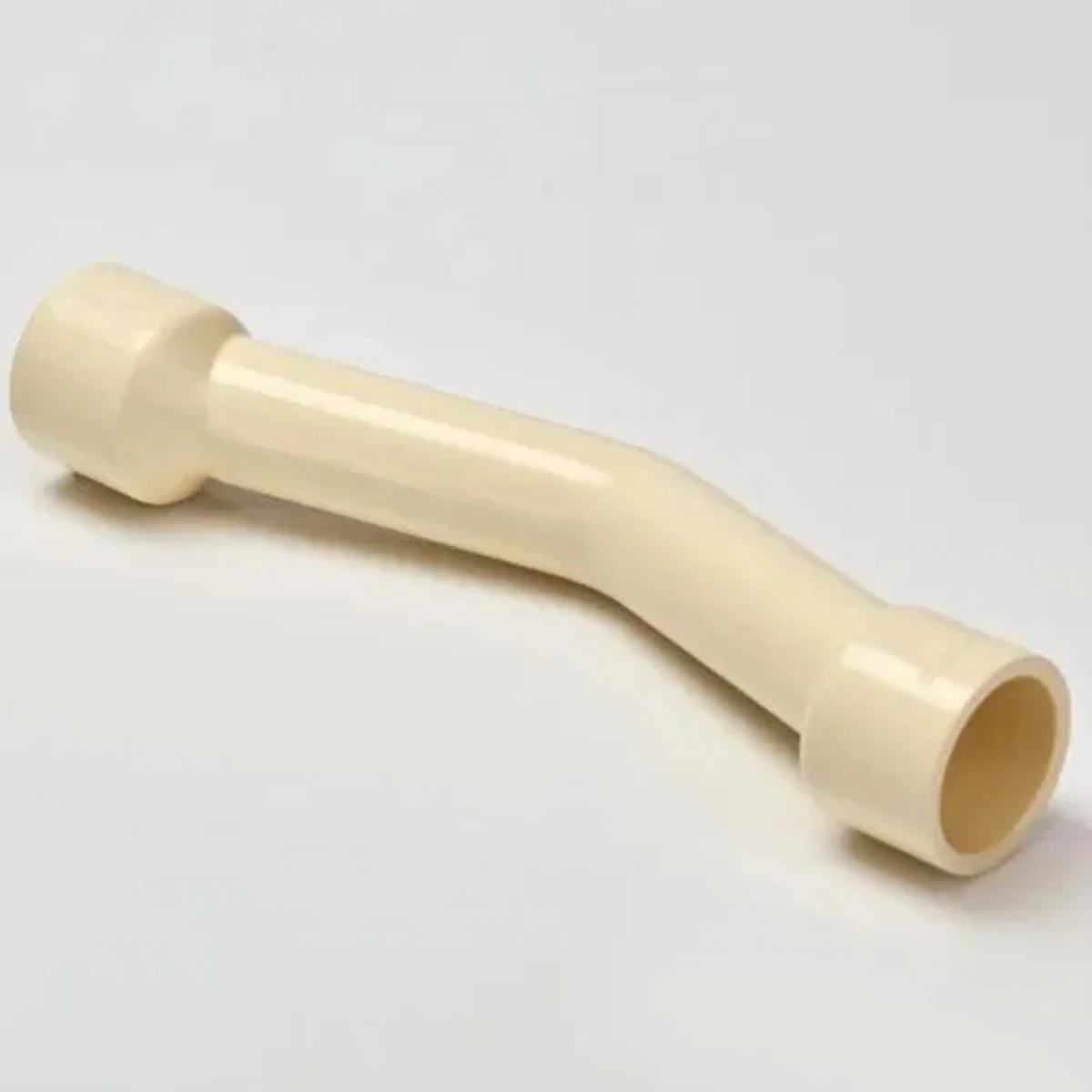
CPVC pipes are typically off-white or cream in colour, though some brands use a light yellow. They use solvent cement joints, the same basic principle as PVC but with a different, CPVC-specific adhesive. Never use PVC solvent cement on CPVC fittings; the bond will be weak and may fail under pressure.
What is PVC used for in residential plumbing?
In a residential context, PVC is primarily used for two applications: cold water supply lines and drainage. For cold water, it handles pressure well and is significantly cheaper than CPVC, making it suitable for overhead tanks, garden taps, and cold-water lines to washbasins or toilets where hot water will never flow.
The larger share of PVC usage in most buildings, however, is in the SWR drainage system. SWR stands for Soil, Waste, and Rain, and PVC SWR pipes handle everything that goes out of your building: wastewater from sinks, drainage from toilets, and rainwater from terraces and balconies. These pipes run under pressure from gravity rather than from a pump or header tank, so they have different wall thickness standards and fittings than pressure pipes.
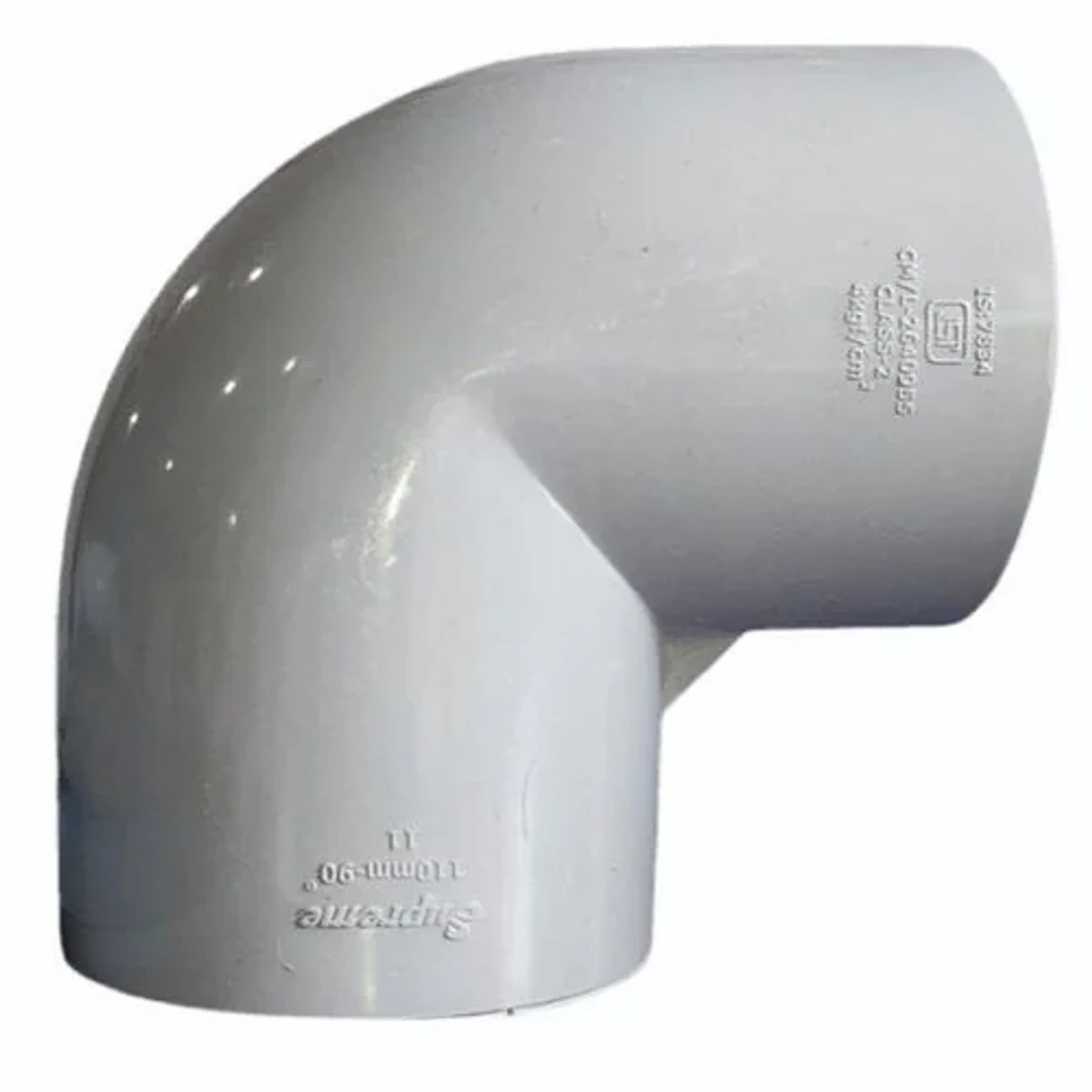
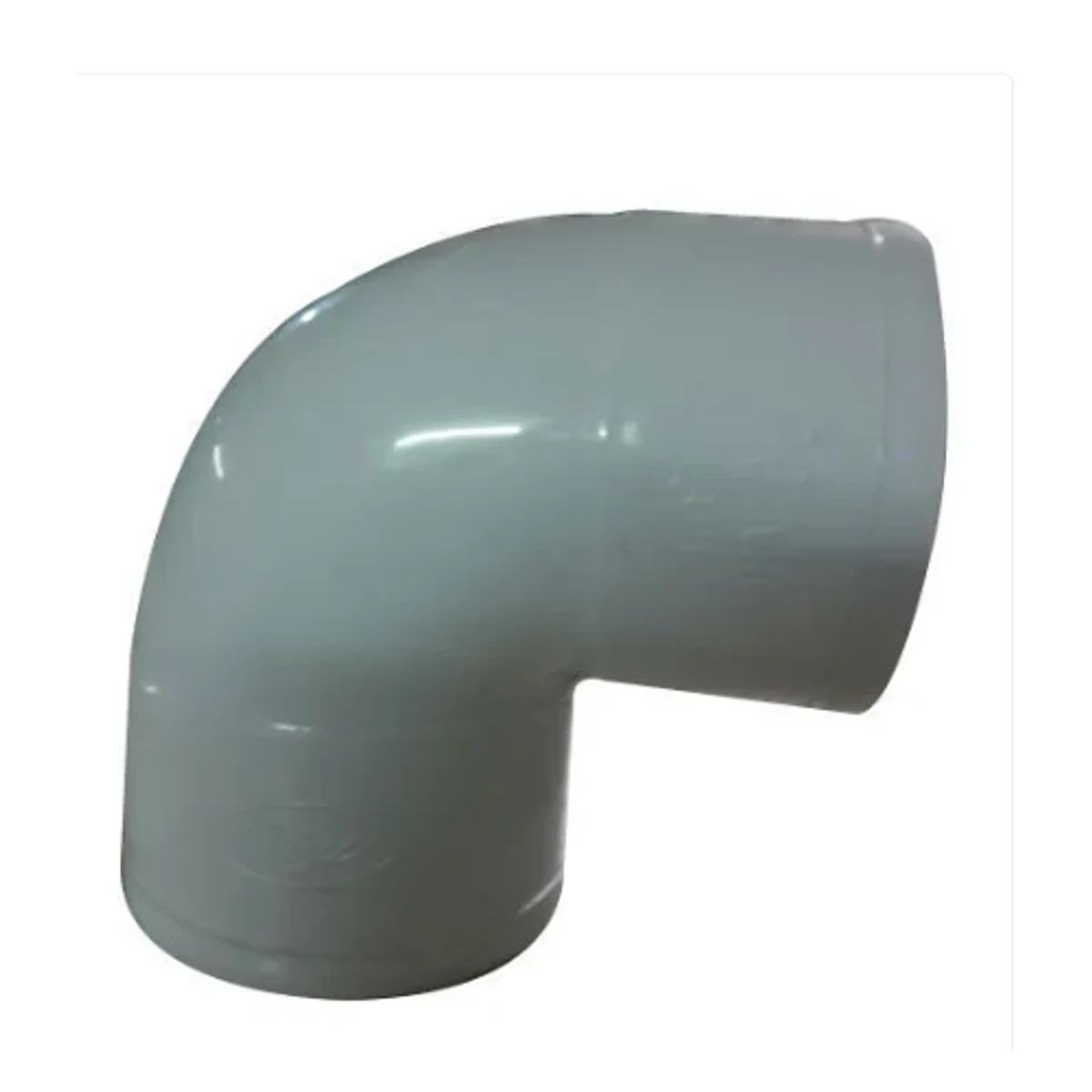
Supreme and Ashirvad both make strong SWR ranges with a wide selection of fittings (bends, tees, traps, and reducers) that are commonly available in Bengaluru. SWR pipes in 75mm, 110mm, and 160mm diameters cover most residential drainage requirements.
Pressure ratings and standards to check
CPVC for hot and cold water supply in India follows the ASTM D2846 standard (also called CTS, or Copper Tube Size). The key nominal sizes used in homes are half-inch, three-quarter-inch, and one-inch. These are measured by outside diameter, not inside diameter, which causes confusion when comparing to older iron pipe sizing.
Some CPVC pipes follow the IS 15778 standard instead, which uses nominal bore sizing familiar from steel pipes. Always check which standard your plumber is specifying because fittings from one standard will not connect to pipes of another. If your plumber says "half-inch CPVC" without specifying, ask whether it is CTS or IS sizing.
PVC pressure pipes for cold water supply follow IS 4985 and come in Class 1 through Class 6, corresponding to different pressure ratings. For residential overhead tank lines, Class 2 or Class 3 is usually sufficient. Confirm with your plumber based on the height of your tank and the length of the runs.
From our shop
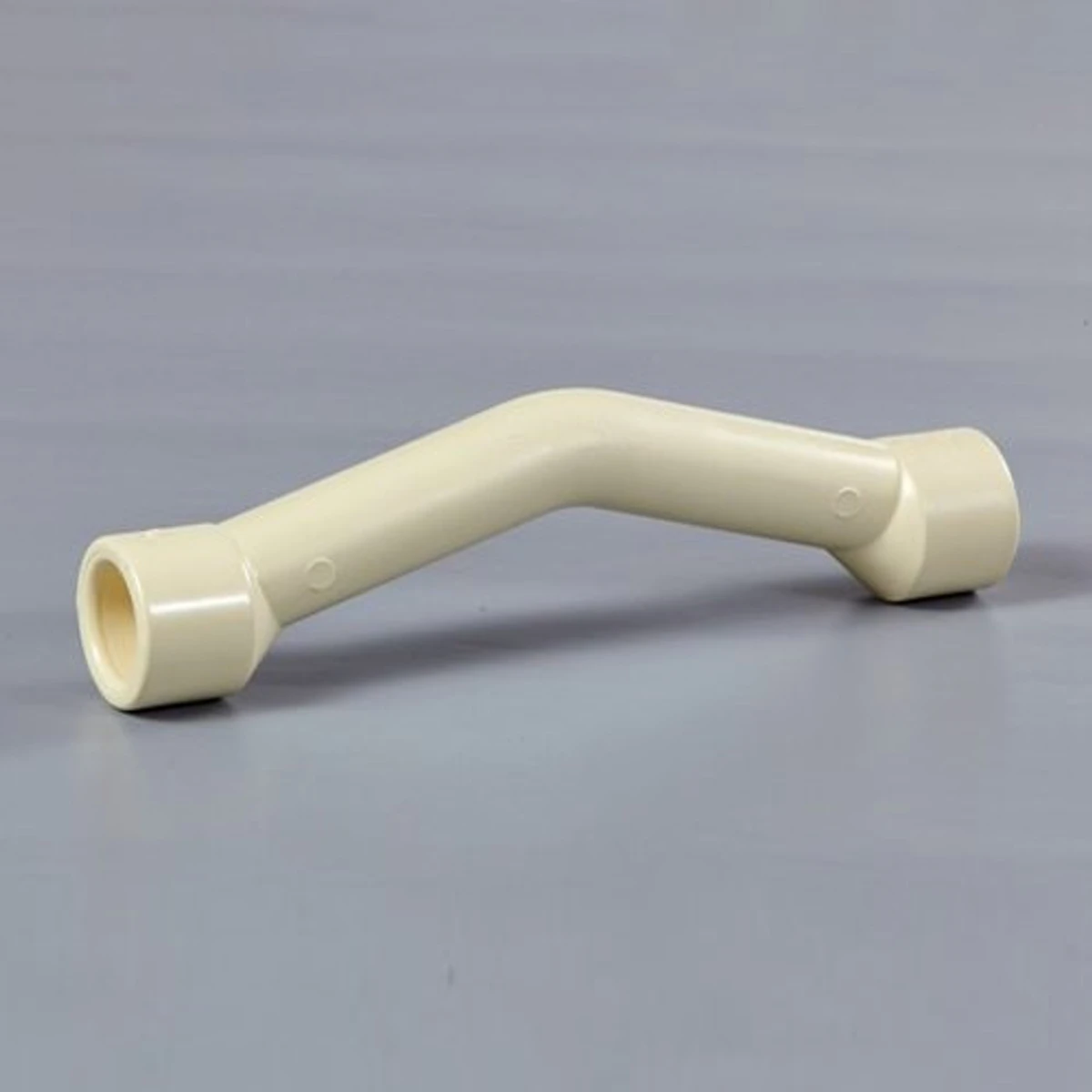
Products in this guide
Live dealer prices. Add to cart, or ask for a GST quote on the whole list.
Cost comparison in the Bengaluru market
CPVC is roughly two to three times the price of equivalent PVC by linear metre. A 6-metre length of half-inch CPVC from Ashirvad or Astral will cost more than twice the equivalent PVC pressure pipe. This leads some builders to try to minimise CPVC use by running CPVC only from the geyser to the first fitting and then switching to PVC, which is a mistake: the entire hot water line needs to be CPVC rated.
For drainage, SWR PVC has no CPVC equivalent; there is no need to spend more on those lines. Use quality SWR PVC with proper fittings and you will have a drainage system that lasts decades.
When budgeting a new 2BHK apartment, a rough rule of thumb is that CPVC will account for the majority of the pipe material cost even though it accounts for a smaller share of the pipe length. Plan the budget accordingly rather than being surprised at the counter.
Brand choices in Bengaluru
The three brands most commonly available at trade counters in Bengaluru are Ashirvad (part of Aliaxis), Astral, and Supreme. All three make both CPVC and PVC SWR products and all three have authorised dealers in the city.
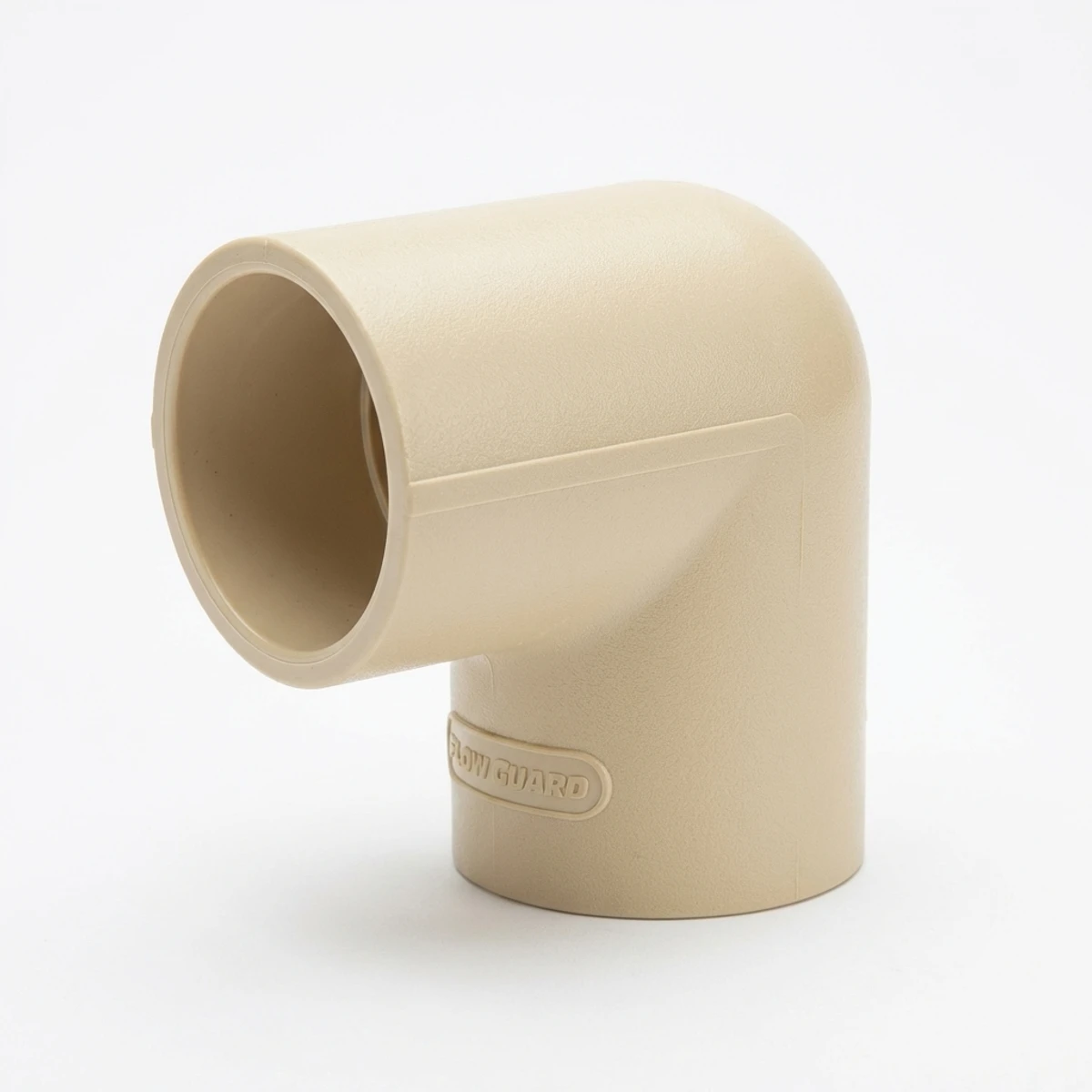
Ashirvad FlowGuard Plus is the dominant CPVC brand in the market and is preferred by most plumbers because of the wide availability of fittings in every configuration. Astral CPVC is also well regarded and is competitively priced. Supreme is more often specified for SWR drainage and uPVC pressure pipes rather than CPVC, but their product quality is consistent.
Avoid unbranded or unknown-brand pipes regardless of price. The difference in material quality between a known brand and an unbranded pipe can be significant, and the cost of a failure (replastering walls, repairing water damage, or redoing an entire plumbing system) far outweighs the savings at the counter.
Installation tips that affect pipe choice
CPVC requires expansion loops or offsets on hot water lines longer than about 6 metres to accommodate thermal expansion. When CPVC heats up, it lengthens slightly. If it is constrained between two fixed points with no room to move, it will bow or eventually crack at a joint. A good plumber will account for this. If yours does not mention it on a long hot water run, raise the question.
PVC SWR pipes should be installed with the correct gradient (typically 1 in 50 for horizontal runs) to prevent blockages. Too shallow and waste settles; too steep and the liquid runs away from the solids, which also causes blockages. Confirm the gradient with your plumber or civil contractor before the pipes are embedded in the slab.
For both materials, use the correct solvent cement and primer for the material. CPVC cement is not interchangeable with PVC cement. The joint needs to be clean, dry, and properly primed before cement is applied. A rushed or poorly made joint is the most common cause of early pipe failures.
Summary
The short version: use CPVC everywhere hot water flows, PVC SWR for all drainage, and PVC pressure pipes for cold water supply lines where you want to save cost. Stick to known brands, check the standard your plumber is specifying, and budget the CPVC proportion correctly from the start. If you need current pricing on Ashirvad, Astral, or Supreme products in Bengaluru, use our instant quote tool or WhatsApp us. We stock all three brands at our Viveknagar counter.
The closer call for most homes is not CPVC against PVC but CPVC against uPVC, because both look alike on the rack and only one of them carries hot water. We compare them on temperature, pressure and price per metre in CPVC against uPVC, and where each one goes. For the rates themselves, the 2026 Ashirvad CPVC price list gives every size at our counter price.