How to Plan Pipe Procurement for a Construction Project in Bengaluru

Quick answer: Order in two phases: rough plumbing needs the bulk of the pipe lengths and structural fittings, while second-fix needs fewer pipes but more specialist fittings. Confirm the pipe material, CPVC standard, SWR type and brand before any bulk order, and allow a 10 percent wastage on pipe lengths (15 percent for complex layouts). Order large-diameter SWR, less common fittings and specialist products in advance, since standard sizes are usually available same-day or next-day.
On a construction project in Bengaluru, the plumbing trade is typically one of the second-fix trades: it follows the civil structure but needs to be completed before tiling, plastering, and final finishes. A delay in pipe materials arriving on site delays the plumber, which delays tiling, which delays handover. Given that Bengaluru's construction market runs tight timelines, getting pipe procurement right matters.
This guide is aimed at contractors, project managers, and owners managing the procurement process on a residential or small commercial project.
Understanding the two phases of plumbing work
Residential plumbing happens in two distinct phases, and each phase has different material requirements. Understanding this prevents the common mistake of trying to procure everything at once before either phase has been fully designed.
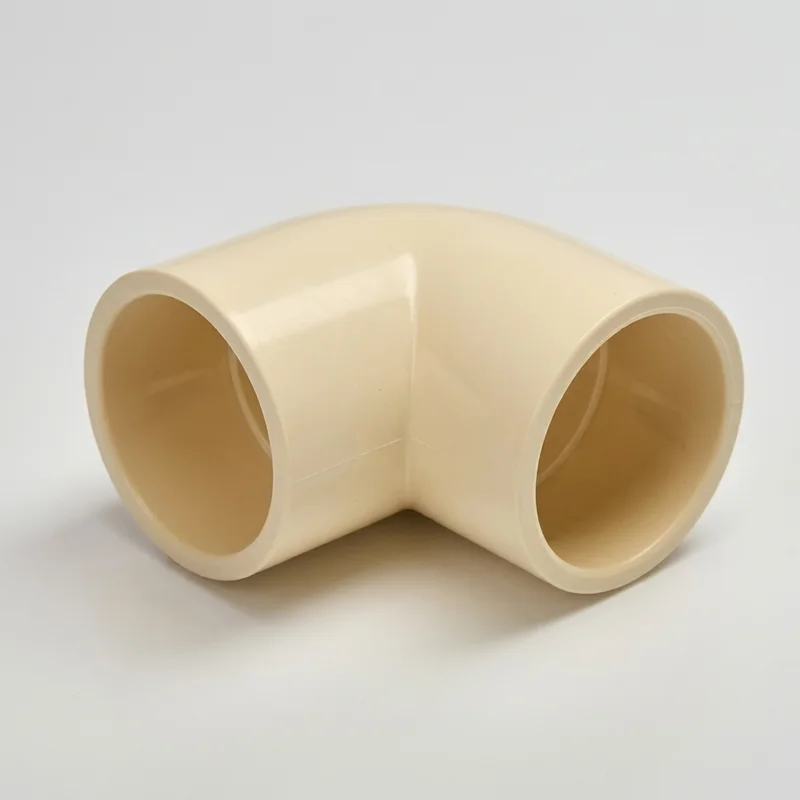
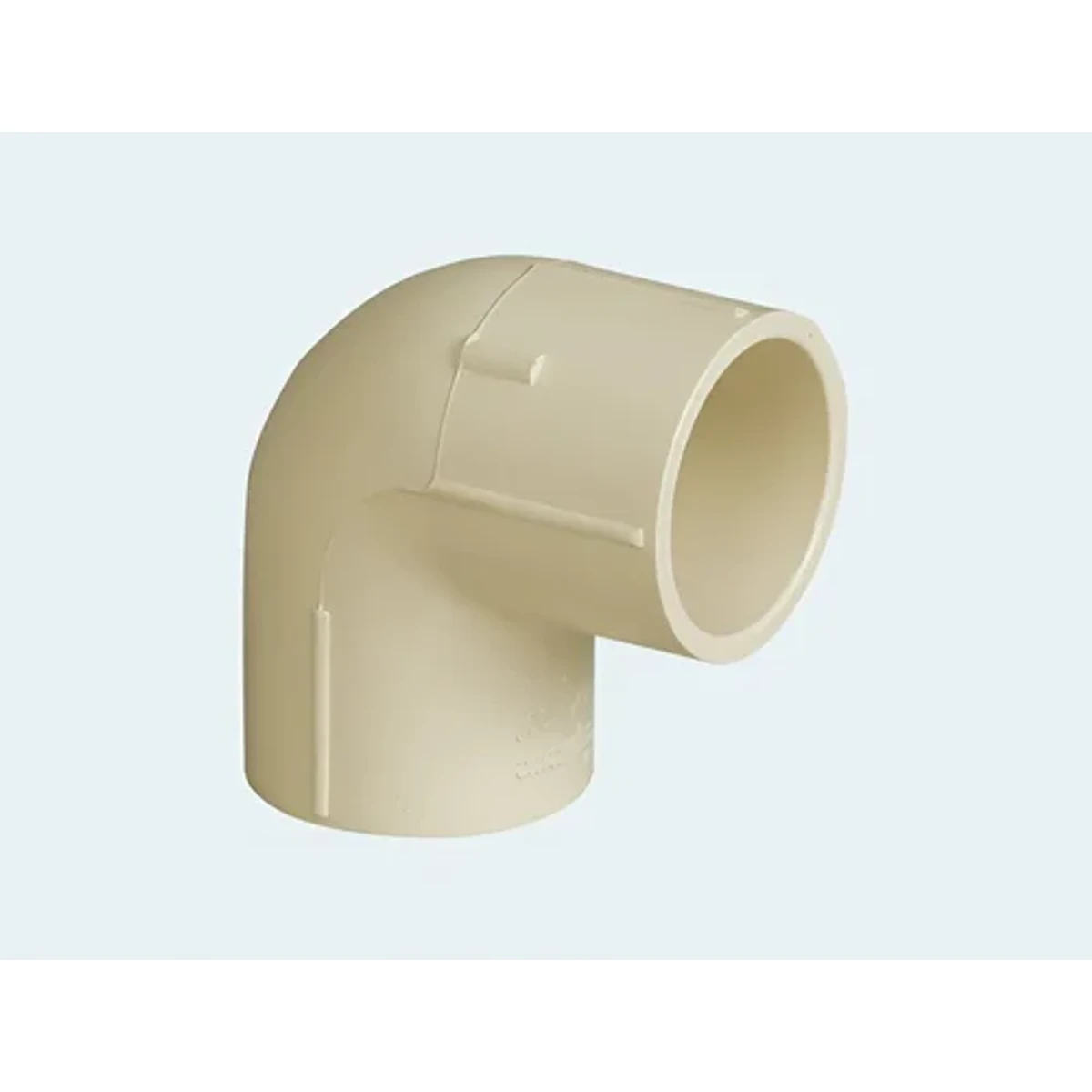
The first phase is rough plumbing, also called first-fix plumbing. This happens after the slab and brick structure is complete but before plastering. During rough plumbing, the plumber installs the pipes inside walls and under slabs: the supply lines to bathrooms and kitchens, and the drainage system. This phase requires the bulk of the pipe lengths and most of the structural fittings: elbows, tees, and drainage fittings embedded in the structure.
The second phase is second-fix plumbing, also called trim-out. This happens after tiling and plastering, when the plumber connects the fixtures (geysers, washbasins, taps, and toilet cisterns) to the pipe stubs left during rough plumbing. This phase requires fewer pipes but more specialist fittings: unions, flexible connections, stopcock valves, and the like.
Procure for each phase separately. Ordering everything before rough plumbing starts creates a site storage problem and risks material damage or theft. A phased procurement schedule aligned with the construction programme is cleaner.
Getting a confirmed specification before ordering
Pipe materials should be ordered against a confirmed specification, not a preliminary estimate. Confirm the following before placing a bulk order:
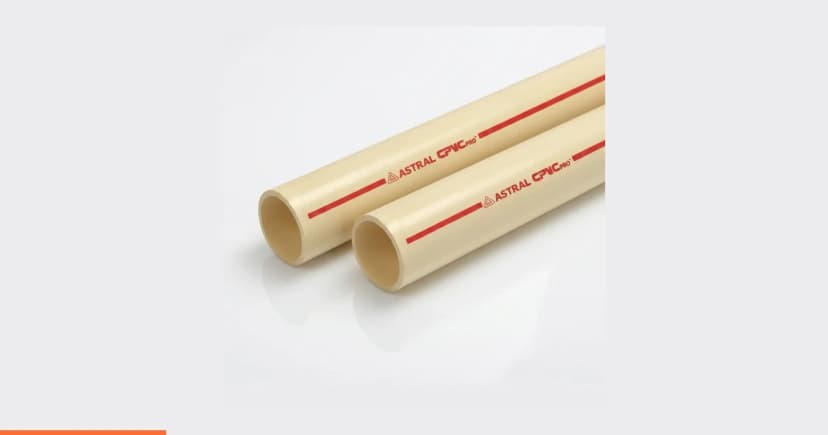
- The pipe material for each application: CPVC for hot and cold supply, SWR for drainage, uPVC for any mains connections or large-diameter cold water lines.
- The CPVC standard: ASTM CTS or IS 15778. The two are not interchangeable and the fittings must match.
- The SWR type: Type A for above-ground, Type B for underground. This must be confirmed by the plumber or MEP consultant, not left to assumption.
- The brand. Mixing brands on the CPVC system is not recommended. Pick one brand for all CPVC and stick to it; fittings from one standard will not reliably mate with pipes from another standard even if the nominal sizes appear identical.
- Any project-specific deviations. Some architects or clients specify particular brands for reasons of warranty, aesthetics, or past experience. Confirm these before purchasing the wrong brand.
Quantity verification before ordering
Before placing an order, have the plumber verify the quantities against the drawings. A quantity take-off done from a drawing is always an estimate; the actual site conditions (wall positions, ceiling heights, the location of the electrical conduit) affect what the plumber actually needs on site.
For rough plumbing, a 10 percent wastage allowance on pipe lengths is reasonable for a standard residential project. For complex layouts with many short cuts and changes of direction, 15 percent is safer. For fittings, the take-off quantity from the drawing is usually reliable if the drawings are accurate.
Do not over-order significantly. Excess materials create a storage problem, tie up cash, and create confusion if a change in specification occurs mid-project. Order within 10 to 15 percent of the estimated quantity, then place a top-up order if needed. Most dealers can fulfil a top-up within 24 hours for standard sizes.
From our shop
Products in this guide
Live dealer prices. Add to cart, or ask for a GST quote on the whole list.


Lead times and what to order in advance
For standard CPVC and SWR sizes (1/2" and 3/4" CPVC, 110mm and 75mm SWR), most Bengaluru trade dealers hold stock and can supply same-day or next-day. For less common sizes and fittings, lead times are longer.
Items that should be ordered in advance:
- Large-diameter SWR pipes: 160mm and above. These are bulky and not always held in depth by dealers.
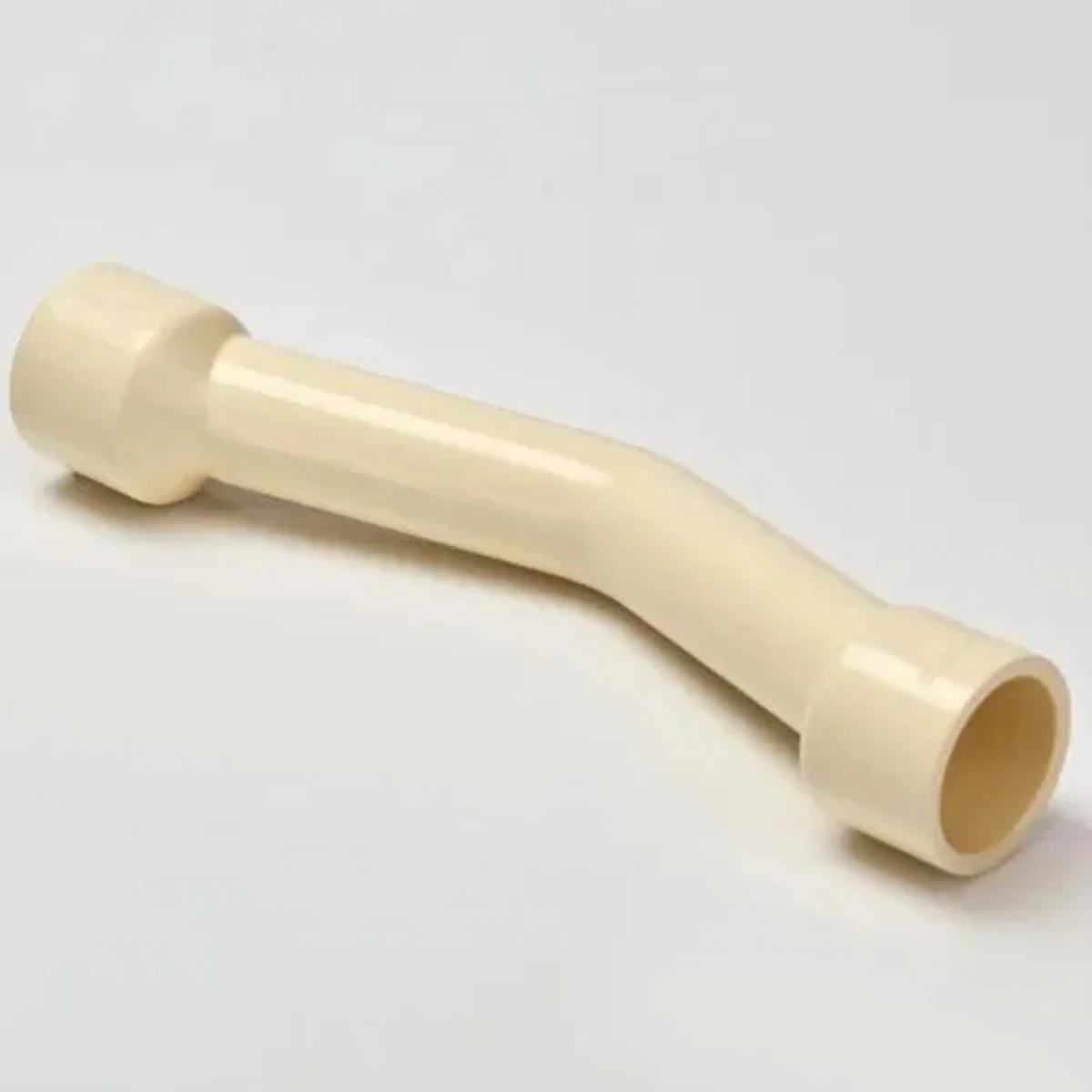
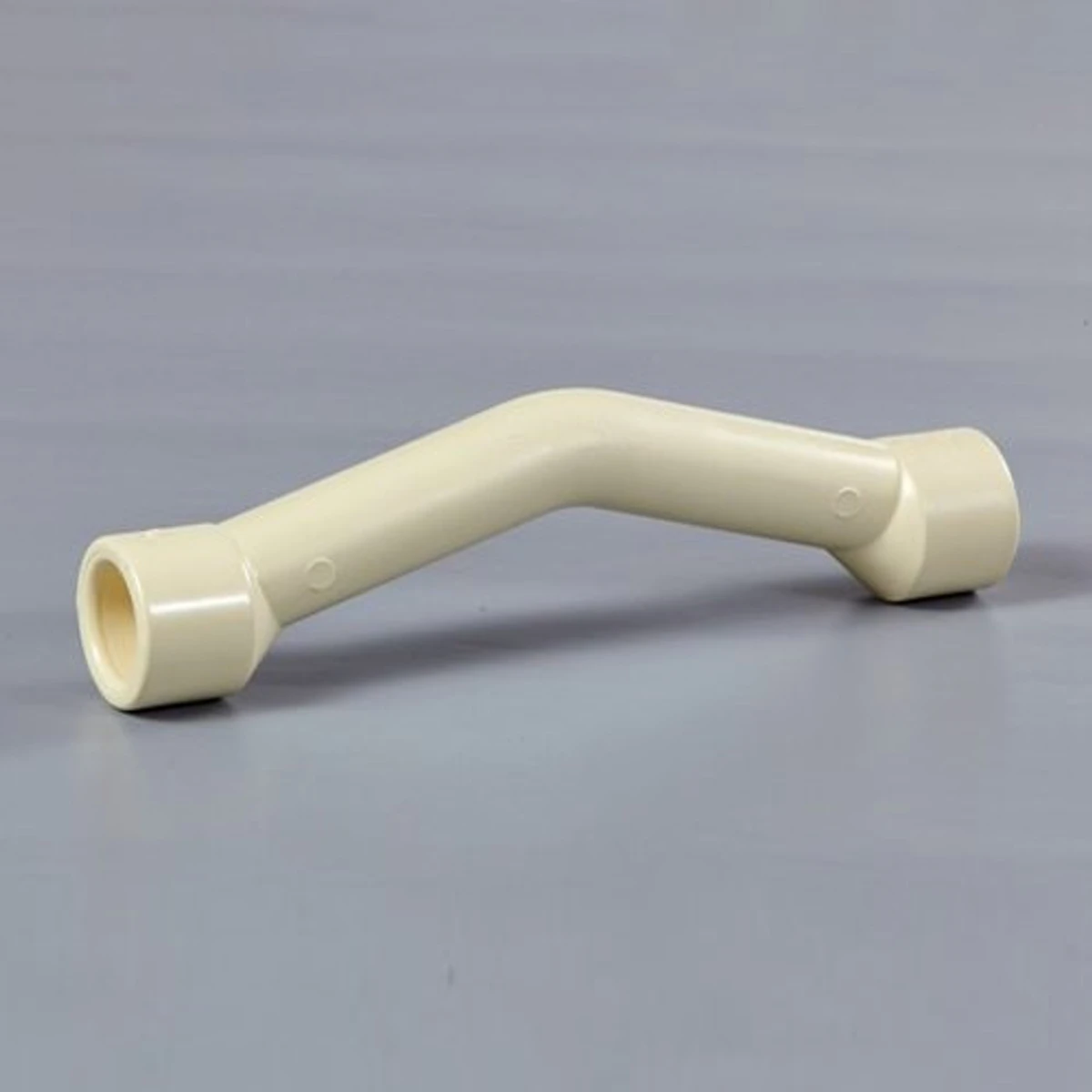
- Less common fittings: large-radius bends, inspection chambers, access panels, and any CPVC fitting above 1".
- Specialist products: flexible connections for geyser installations, pressure-reducing valves, and any imported fitting not in the standard catalogue.
- Large quantities of standard sizes that exceed typical dealer stock. If you need 500 lengths of 110mm SWR for a large project, call ahead to confirm availability rather than arriving on site day expecting same-day delivery.
For projects in areas outside central Bengaluru, also allow for delivery time. Same-day delivery from our Viveknagar warehouse covers most of Bengaluru; for outstation sites in Karnataka, next-day is the standard, and delivery by VRL or local goods carrier for large consignments may add a day or two.

Storage on site
Pipe materials need to be stored correctly to arrive at installation in usable condition. PVC and CPVC pipes should be stored horizontally on a flat surface, away from direct sunlight. UV exposure over extended periods degrades PVC. If materials will sit on site for more than a few weeks before installation, cover them with tarpaulin or store them in a shaded area.
Fittings should be kept in their original packaging until use. Solvent cement and primer should be stored in a cool, shaded location away from direct heat sources. Most solvent cement products have a shelf life of two years from manufacture; check the date on cans that have been sitting in a store room.
On a busy construction site, pipe theft is a real issue. CPVC in particular has a resale value. Store materials in a lockable area or ensure they are installed promptly after delivery rather than sitting loose on site for days.
Managing change orders on site
Design changes during construction are common. The bathroom layout shifts, an additional geyser is added, the civil structure requires a pipe to be rerouted. Each change potentially affects the material list. Track changes against the original procurement order and maintain a running account of what has been supplied and what is in store.
When a change requires additional materials, place a top-up order rather than pulling materials from a reserve intended for another part of the project. This keeps the site accounts clean and prevents the situation where a shortage in one area is caused by materials borrowed from another area that were never replaced.
Invoicing and GST for project procurement
For contractors managing projects with multiple flats or commercial units, the invoicing structure matters for GST input credit. Purchases from an authorised dealer with a valid GST invoice allow you to claim input credit on the materials. This is relevant if you are registered under GST and supplying construction services to a developer or end customer.
Ensure each invoice from your pipe dealer includes the correct HSN code for the product, your GSTIN, and the billing address that matches your GST registration. If you are procuring for multiple project sites under the same GSTIN, confirm with your dealer that the invoices can be addressed correctly for each site.
AR Trading Company issues GST invoices with every sale. For project accounts with regular procurement requirements, we offer trade pricing and can structure invoicing to match your project accounting needs. WhatsApp us on +91 99801 00987 or use the contact form to discuss your project requirements.
Tanks are the item most often left until last and then bought in a hurry. Our Ashirvad water tank guide sets out the sizing maths and the connection parts so it can be planned with everything else.
If the invoicing side is what holds your project accounts up, our GST rate and HSN code table for pipe, fittings and sanitaryware sets out every heading we bill against, checked line by line on the current CBIC schedule.